Maritime with Ezinne
BY EZINNE AZUNNA
A weekly column on Africa’s Blue Economy and maritime development, with attention to how ports, coastal infrastructure, and policy decisions interact with the lived realities of communities along the continent’s coastlines published by Maritime TV Africa.
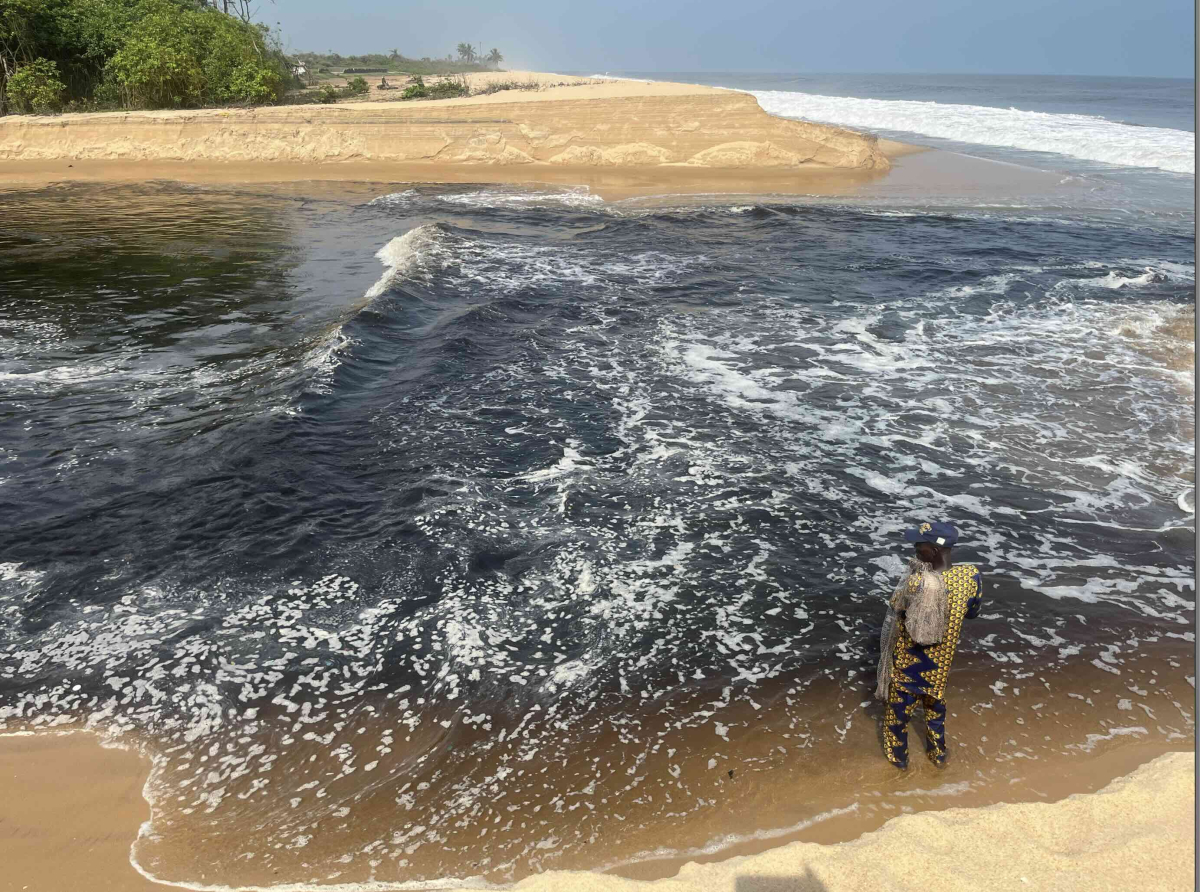
Across 38 coastal and island states, Africa’s 30,500-kilometre coastline has carried people, goods, cultures and ideas for centuries. Beneath these waters- and along its rivers, lagoons, and lakes- may lie one of the continent’s least explored treasure-archives of human history.
UNESCO defines underwater cultural heritage as “all traces of human existence having a cultural, historical or archaeological character which have been partially or totally under water, periodically or continuously, for at least 100 years.” By that definition, underwater heritage is not distant or abstract. It includes shipwrecks, ports, harbours, jetties, cargoes, settlements, and everyday objects preserved beneath water over time.
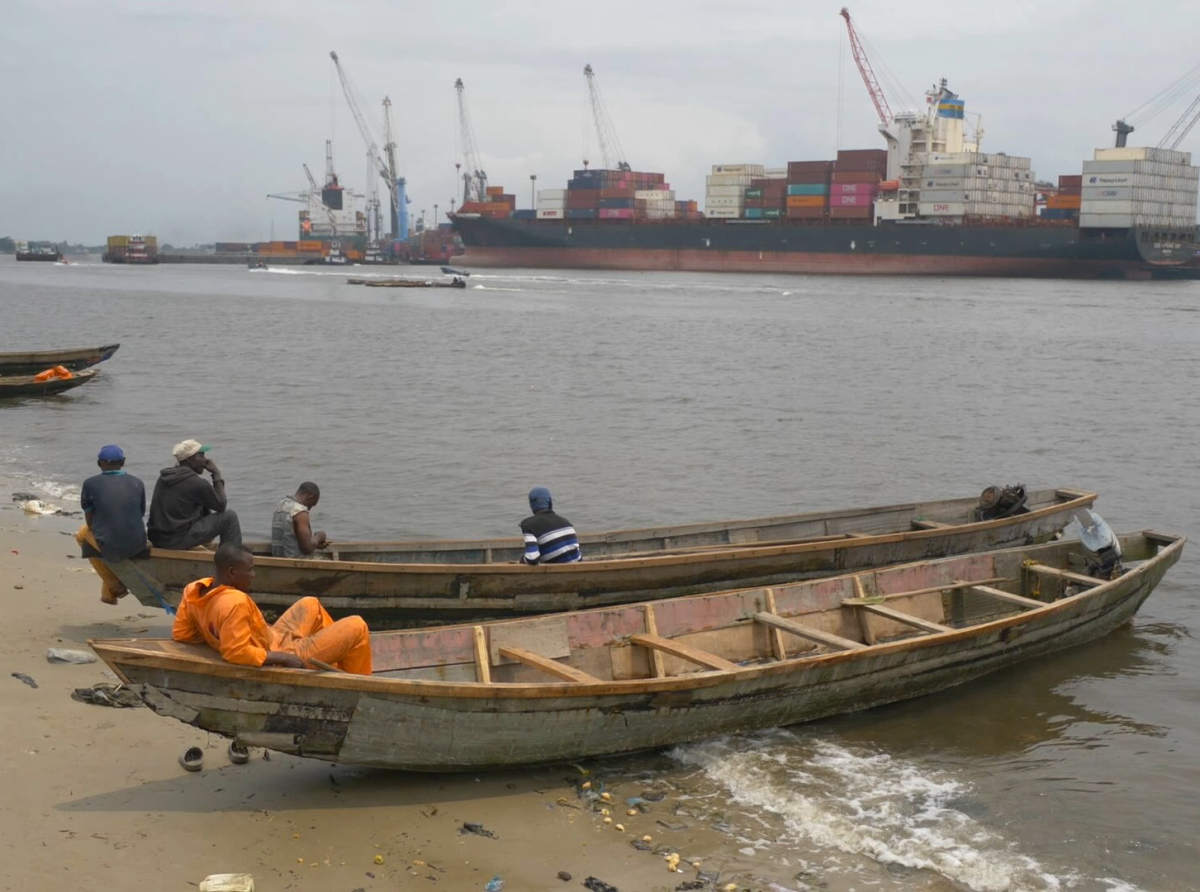
Across Africa, many of these conditions already exist. Centuries of maritime trade, indigenous water transport systems, fishing communities, colonial infrastructure, and Atlantic and Indian Ocean exchange suggest a continent rich in submerged history- but still underexplored.Nigeria, with its 853-kilometre coastline, expansive lagoon systems, and historic ports such as Lagos, Bonny, Calabar, and Warri, sits firmly within this landscape. Yet relatively little systematic attention has been given to what may lie beneath its waters. Perhaps the greatest challenge is not that Africa lacks underwater heritage; it is that we have rarely looked beneath our waters.
A few years ago, while filming a maritime documentary across several coastal states in Nigeria, someone quietly approached me and led me into a colonial-era structure that still serves as offices today. Inside were several large safes fixed into the walls- locked, and coated in layers of dust that had long since become part of their steel surfaces. On closer inspection, I noticed serial numbers inscribed on them. My guide explained that the safes date back to the colonial period and, reportedly, have never been opened. Whatever they contain remains unknown.That encounter stayed with me. It raised a question that has never quite left:how much of Africa’s past remains sealed away- not because it has disappeared, but because no one has thought to look? That question extends beyond colonial buildings. It reaches into Africa’s rivers, lagoons, estuaries, harbours, and coastal waters- into the quiet geographies where history settles and is often forgotten.
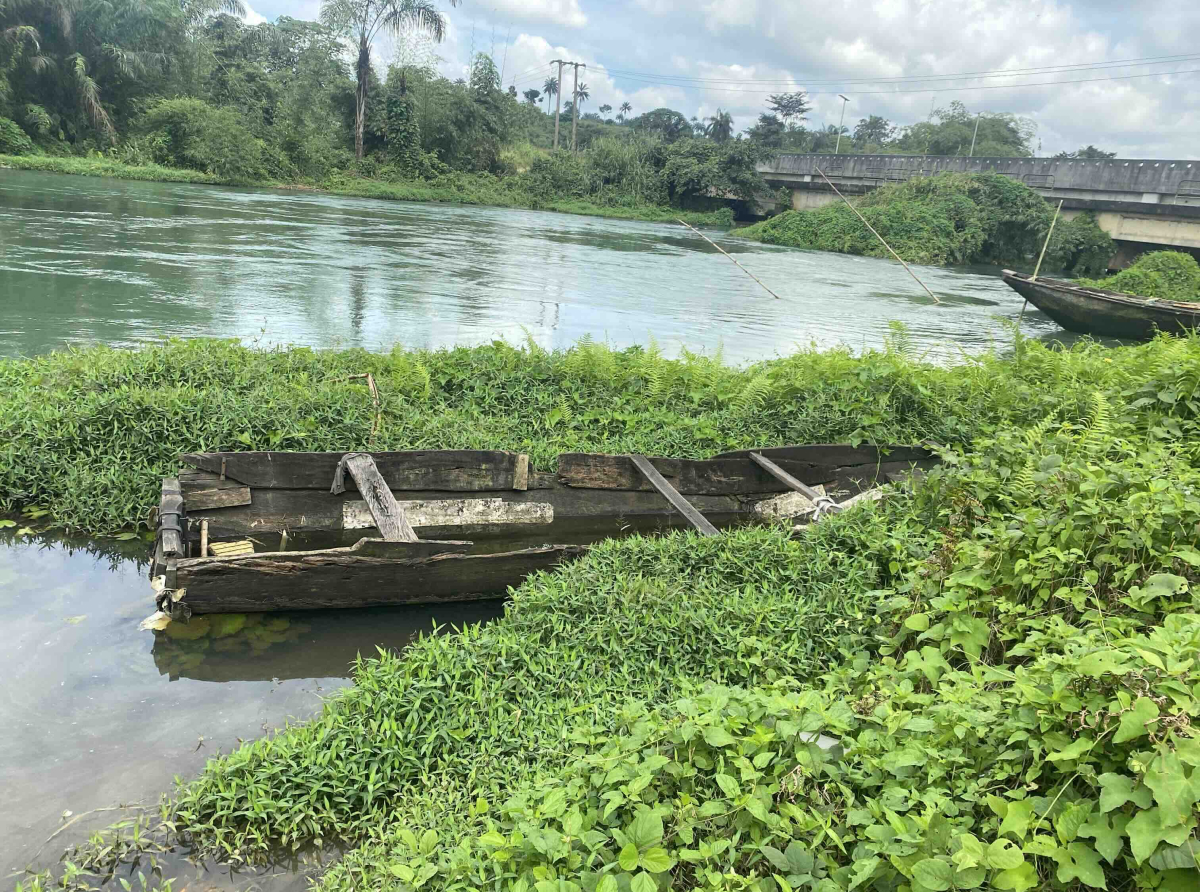
Marine archaeology, though still sparsely developed in African studies, examines human activity preserved beneath water and has helped other regions recover and interpret submerged histories at scale.Africa’s maritime history did not begin with colonialism. Long before European ships arrived on its shores, African communities were navigating rivers, lakes, lagoons, and coastal waters for trade, communication, fishing, migration, and cultural exchange. Water was not a boundary. It was a highway.
According to data compiled by the Trans-Atlantic Slave Trade Database (SlaveVoyages), the Bight of Benin and the Bight of Bonny were among the most important maritime corridors in the Atlantic world. Stretching across present-day Ghana, Togo, Benin, and Nigeria, these waters connected coastal kingdoms, trading centres, and ports- including Lagos, Badagry, Bonny, Opobo, and Calabar- to global networks of commerce, migration, and cultural exchange, while also serving as major embarkation zones during the trans-Atlantic slave trade. Where maritime activity thrives over centuries, traces remain.
Across African waters lie submerged jetties, shipwrecks, abandoned vessels, lost cargoes, indigenous watercraft, forgotten waterfront infrastructure, and in some cases, human remains- settled into sediment and absorbed into underwater landscapes that have endured for generations.
On a visit to the Lagos Ski Club, it was confirmed to me that wrecks beneath Lagos waters are not lifeless ruins. Divers, oceanographers, and marine professionals consistently observe that these structures teem with life. Schools of fish and a surprising diversity of marine species gather around long-submerged wrecks- rusted forms that, beneath the surface, have become thriving habitats. Marine science explains this clearly: shipwrecks often function as artificial reefs, creating shelter and breeding grounds for marine organisms. In time, they cease to be mere debris and become part of the ecosystem itself.Some of Africa’s underwater heritage sites may therefore exist in two registers at once: as historical archives and as biodiversity hotspots. Preserving them may mean preserving both cultural memory and marine life. For a continent increasingly committed to developing a sustainable Blue Economy, that connection deserves far greater attention.
Globally, underwater cultural heritage has become a recognised field of national and scientific importance. Egypt’s submerged archaeological landscapes have attracted international research and investment. South Africa has developed legal frameworks to protect historic shipwrecks and underwater heritage. Across the world, maritime heritage contributes to museum collections, academic research, tourism economies, biodiversity studies, and national identity. Its value extends beyond heritage. It is economic, educational, scientific, and environmental. Yet in many African countries, including Nigeria, underwater heritage is still often treated primarily as an engineering problem. Wrecks are viewed as navigational hazards. Old vessels become salvage opportunities. Steel is removed, sold, and forgotten. What disappears in the process is not merely metal. It is evidence- of trade routes, migration, technological change, and the people whose labour, movement, and aspirations shaped the continent’s maritime story. This matters because Africa is currently investing heavily in its Blue Economy. Governments are pursuing port expansion, coastal infrastructure, offshore energy, aquaculture, marine tourism, and seabed resource exploration. These developments may create economic opportunity, but they also raise an urgent question:
How can Africa protect what it has never taken the time to document? Without baseline surveys, heritage assessments, and stronger institutional attention, invaluable historical records may be disturbed, removed, or destroyed before their significance is ever understood. Nigeria sits within a geography historically dense with movement- from pre-colonial canoe systems in the Niger Delta to colonial shipping routes along Lagos and Calabar. Its waters have long functioned as living corridors of exchange. Yet the institutional capacity to systematically identify, map, study, and preserve underwater cultural heritage remains limited. The issue is not whether Africa’s waters contain treasures in the popular sense of the word. The greater treasure may be knowledge itself: knowledge of how communities moved, traded, adapted, and connected across centuries; of the maritime foundations upon which modern African economies were built; and of the environmental histories that continue to shape coastal ecosystems.
The challenge before Africa is therefore larger than archaeology. It is a question of memory. Will the continent continue to see its waters primarily as spaces of extraction, or will it begin to recognise them as archives worthy of study, protection, and interpretation? The next phase of Africa’s Blue Economy should not be limited to what can be extracted from the sea. It should also include a commitment to understanding what the sea has preserved.
Maritime with Ezinne
A weekly reflection on Africa’s Blue Economy, maritime development, and the human stories that shape them.