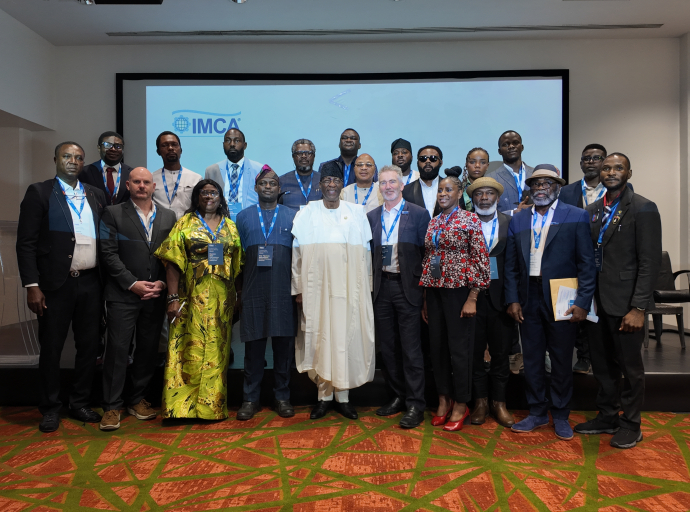
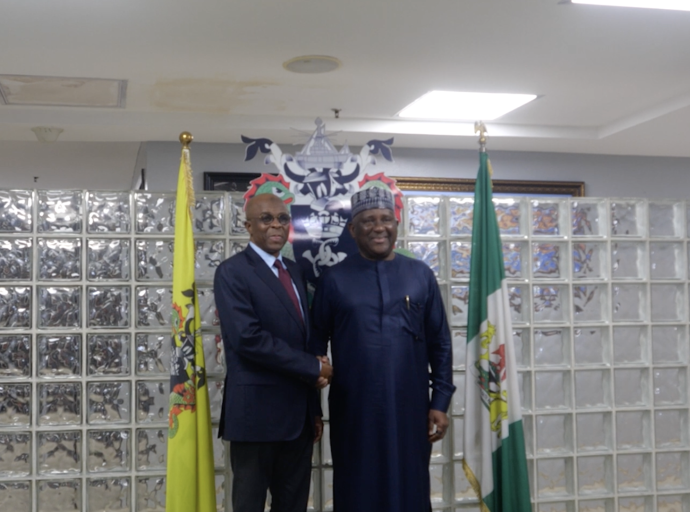
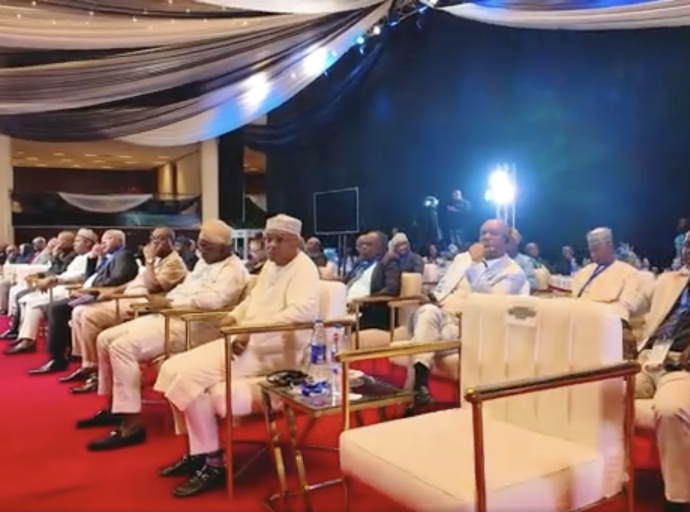
President of the Port Management Association of West and Central Africa (PMAWCA) Dr Abubakar Dantsoho says upscaling of seaports in the region is driven by import-export traffic.
Dr Agbu Kefas, Governor of Taraba State addressed delegates at the mid-year meeting of the Port Management Association of West and Central Africa (PMAWCA)
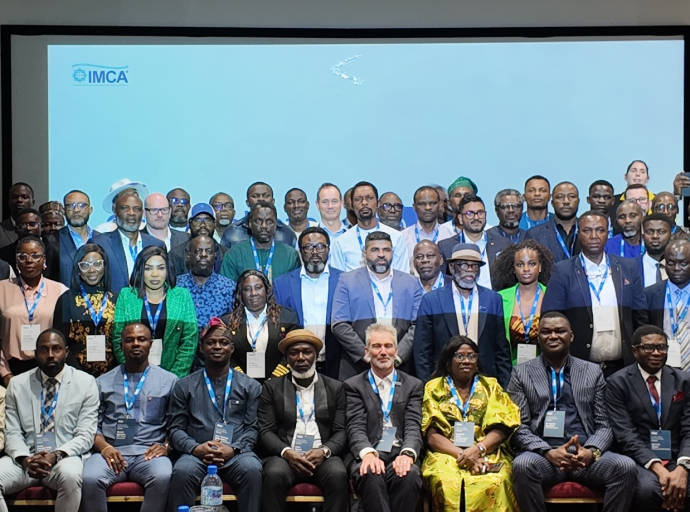
The Port Management Association of West and Central Africa (PMAWCA) has called on member states to aggressively pursue the upgrade of existing seaports and the development of modern port infrastructure to boost regional trade and economic integration.
The call formed part of deliberations at the just concluded PMAWCA Mid-Year Board Meeting held in Lagos.
The three-day meeting, which opened on Monday, brought together maritime leaders, policymakers, and port administrators from across West and Central Africa to deliberate on the future of the region’s ports and trade connectivity.
Nigeria’s Minister of Marine and Blue Economy, Dr Adegboyega Oyetola, who declared the meeting open, said Nigeria has commenced the modernisation of its port infrastructure to expand capacity, improve operational efficiency, and enhance the competitiveness of the nation’s maritime sector.
In his opening address, the Managing Director of the Nigerian Ports Authority and President of PMAWCA, Dr Abubakar Dantsoho, noted that despite pockets of progress across the region, there remains an urgent need for stronger ports supported by modern infrastructure capable of meeting global shipping demands.
President of the Dangote Group, Alhaji Aliko Dangote, who attended the opening ceremony, stressed the need for increased investment in regional ports. He warned that persistent delays and operational bottlenecks at seaports across the region continue to hinder trade growth and economic development.
Maritime TV Africa reports that the three-day session also featured breakout meetings by various technical groups, including the Statistics Group, which focused on aggregating critical data required to drive the modernisation and development of seaports across the West and Central African region.
The Nigerian Institute for Oceanography and Marine Research (NIOMR), having secured the World Trade Organization Fisheries Fund Grant for Nigeria, has now moved into the implementation phase with a one-day stakeholders’ engagement held on its rollout. The project, titled “National Assessment and Capacity Building for the Implementation of the World Trade Organization Agreement on Fisheries Subsidies in Nigeria,” is currently in its first phase, focusing on identifying technical areas where Nigeria requires support.
The World Trade Organization estimates that harmful fisheries subsidies cost approximately 22 billion United States dollars annually worldwide, underscoring the urgency for coordinated global action.
The Project is expected to help member states to tackle Illegal, Unreported and Unregulated fishing, assess marine resources, and establish effective reporting systems to eliminate harmful subsidies.
Speaking on the sidelines of the event, the Executive Director and Chief Executive Officer of NIOMR, Professor Abiodun Sule, World Trade Organization Consultant Dr. Ken Okaoha, and representatives from the Federal Ministry of Marine and Blue Economy, as well as the Federal Ministry of Industry, Trade and Investment, emphasized the importance of the project.
Stakeholders present at the engagement included the International Ocean Institute (IOI), the Fisheries Society of Nigeria (FISON), the African Women Fish Processors and Traders Network (AWFISHNET), state government representatives, and members of the academia, among others.
Maritime TV Africa reports that the World Trade Organization Agreement on Fisheries Subsidies came into force in September 2025, after securing acceptance from over two-thirds of its member states.
The Director General of the Nigerian Maritime Administration and Safety Agency (NIMASA), Dr. Dayo Mobereola has been honored with an Award of Recognition by his alma mater, St. Patrick’s Grammar School, Ibadan in appreciation of his impactful mentorship and commitment to the development of younger generations.
The recognition was conferred during the school’s 64th Founders’ Day celebration held in Ibadan, where the DG joined other alumni and stakeholders to celebrate the institution’s enduring legacy of excellence.
Commenting on the award, Dr. Mobereola expressed profound appreciation to the school’s management and the Old Boys’ Association for the honor, noting that the recognition holds deep personal significance.
He reflected on his formative years at the school saying “attending the 64th Founders’ Day of St. Patrick’s Grammar School, Ibadan, brought back a flood of nostalgic memories.
“Fifty years after walking through those gates where many of my formative years were shaped, I remain deeply grateful for the friendships, guidance from teachers, and the bond of classmates. I also wish to sincerely appreciate the Old Boys’ Association for the recognition accorded me this year. I do not take this honor for granted” the DG said.
He reiterated his commitment to mentoring younger people saying, “I remain committed to serving as a role model to the younger generation and to mentoring young men as they navigate their own paths.”
He further encouraged the students to remain focused, disciplined, and committed to excellence, emphasizing the importance of mentorship and positive role models in achieving success.
The Collective Bargaining Agreement (CBA) brokered by he Nigerian Maritime Administration and Safety Agency (NIMASA) to promote industrial harmony between the Maritime Workers Union of Nigeria (MWUN) and relevant maritime organisations has barely recorded a 70 per cent compliance.
The CBA proffers renumeration and welfare standards for workers under the Maritime Workers Union of Nigeria under shipping, seafaring, docklabour and the Nigerian Ports Authority.
Investigation by the Online Maritime Media Association of Nigeria (OMMAN) revealed that about 30 per cent of companies operating in the sector have failed to comply with the agreement. It was also discovered that some workers expected to benefit from the CBA failed to meet the required professional standards.
Confirming the development, a credible NIMASA source told OMMAN correspondents that while only 70 per cent compliance has been achieved, some companies have fully complied with the agreement.
“We have achieved only 70 per cent CBA compliance,” the source said. “However, we are pleased to note that some companies have attained 100 per cent compliance, including Melsmore Marine Services Ltd.”
OMMAN further observed that while the MWUN leadership has been working to improve workers’ welfare, some workers were found to have discrepancies, including failure to renew expired certificates and, in some cases, presenting forged documents.
It was revealed that the discovery of fake certificates limited the Union’s ability to fully defend certain affected workers.
Meanwhile, the Maritime Workers Union of Nigeria described the level of compliance with the CBA in Nigeria’s maritime sector as “not commendable,” accusing NIMASA of failing to enforce mandatory adoption across the industry.
Speaking exclusively to OMMAN on the state of labour standards in the sector, MWUN President, Comrade Francis Bunu, stated that although the Union continues to engage employers, the maritime regulator must demonstrate stronger leadership by making the CBA a compulsory requirement for the renewal of operating licences for companies in the sector.
According to the Union, provisions of the Maritime Labour Convention (MLC) require that every employer of seafarers must operate under a valid CBA. MWUN argued that NIMASA should incorporate proof of a valid CBA into its licensing requirements for companies that own and operate vessels within Nigerian waters.
“Until NIMASA makes having a CBA as important as having an operational licence, we will continue to see poor treatment of seafarers, low remuneration, and unprofessional practices,” the Union stated.
The MWUN President-General explained that each of the Union’s branches - Dockworkers, Seafarers, Nigerian Ports Authority (NPA), and Shipping - operates under sector-specific CBAs tailored to their unique responsibilities.
The agreements, recognised by government, labour, and industry stakeholders, are considered critical operational requirements in the maritime industry. The Union disclosed that it has commenced a review of existing CBAs, with one sector already undergoing updates to address emerging realities.
While most sectors now have functional CBAs, MWUN lamented that several companies operating within Nigerian waters have refused to adopt them. The Union said it is actively identifying such firms and compelling compliance.
On the level of compliance, the Union described the adoption rate among companies outside its direct membership as “abysmal.”
“When you compare the number of companies operating in the industry with those that have complied, it is not commendable. It is practically zero,” MWUN stated.
The Union maintained that companies aligned with MWUN are fully compliant and have recorded positive outcomes, including improved professionalism, enhanced worker welfare, and job security. However, it is alleged that many other operators continue to evade union presence and operate outside agreed standards.
“The CBA is law. No company should operate on Nigerian waters without complying with federal regulations,” the Union emphasised.
Responding to speculation that the CBA may have contributed to layoffs at Melsmore Marine Nigeria Limited, MWUN rejected claims that the agreement was counterproductive.
“No trade union negotiates the welfare of its members downward; we always negotiate upward,” the Union stated.
It cited salary improvements at Melsmore, where an Able Seaman (AB) reportedly earned N240,000 monthly before the CBA but now earns significantly more. Similarly, at World Carrier Marine Services, AB salaries reportedly increased from N450,000 to over N1 million following the CBA agreement.
MWUN clarified that the Melsmore CBA was negotiated jointly by NIMASA, the Union, and the company’s management, not by the Union alone. It attributed some of the layoffs to lack of required documentation and, in certain cases, fake certificates.
“The maritime industry has standards. If a worker lacks proper certification, the Union will not support illegality,” MWUN stated, adding that workers with valid documentation remain employed and are satisfied with improved welfare conditions.
The Union admitted that a recurring challenge during enforcement exercises is the discovery of workers without proper certification or those who have failed to upgrade their qualifications.
“It is common across the industry. Some workers have not improved themselves for over 20 years,” MWUN noted, urging maritime professionals to pursue career advancement and maintain valid certifications.
MWUN further disclosed that several non-compliant firms have been identified, including Timile in Warri. While some of its vessels involved in Liquefied Natural Gas (LNG) operations are reportedly compliant, those operating within Nigerian waters allegedly lack CBA coverage.
The Union stated that NIMASA has written to the company and that further engagement is imminent. It added that other operators have voluntarily initiated discussions toward compliance, acknowledging the binding nature of the agreement.
“These are businessmen focused on profit. Where enforcement is weak, they exploit the gaps. That is why NIMASA must lead,” the Union stated.
As part of ongoing reforms, MWUN revealed that a comprehensive review of the CBA framework will commence in the coming weeks to address identified gaps and improve its applicability within the Nigerian maritime sector.
However, the Union maintained that meaningful progress depends on regulatory enforcement.
“The only way every company will comply is if NIMASA requires a valid CBA as a condition for licence renewal. The regulator must take the lead,” MWUN concluded.
The Economic Community of West African States (ECOWAS) on February 12, 2026, published a call for Expressions of Interest for the recruitment of an Individual Consultant to serve as Customs Advisor on the ECOWAS Transit System and SIGMAT. The position forms part of ongoing efforts to strengthen regional trade and customs systems.
ECOWAS comprises 12 West African countries—Benin, Cape Verde, Côte d'Ivoire, Ghana, Guinea, Guinea-Bissau, Liberia, Nigeria, Senegal, Sierra Leone, The Gambia, and Togo. Established in 1975, the regional body promotes economic integration, cooperation, and sustainable development, with a focus on creating a unified regional market through trade liberalization and the implementation of a Common External Tariff (CET) under a consolidated Customs Union.
The selected consultant will support the Directorate of Customs Union and Taxation in consolidating the ECOWAS Customs Union and strengthening regional transit and customs frameworks. Key responsibilities include providing technical support for the implementation of the ECOWAS Community Transit Procedure and assisting in finalizing and adopting the ECOWAS Transit Manual of Procedures.
The consultant will also help operationalize the Community transit guarantee mechanism, support the effective implementation of the ECOWAS Customs Code, and contribute to trade facilitation measures aimed at improving the free movement of goods. The role includes preparing technical reports and presentations to enhance the Directorate’s transit programs.
The contract will run for an initial 12 months and may be renewed based on performance and funding availability. Applicants must be nationals of ECOWAS member states and possess at least a master’s degree and 10 years’ experience in customs administration and trade facilitation, with strong knowledge of ECOWAS customs instruments such as CET, ETLS, and SIGMAT. Applications must be submitted by March 3, 2026, at 17:00 GMT+1, and the working languages for the assignment are English and French.
Environmental advocates and bird enthusiasts have marked the 2026 World Wetlands Day at the University of Lagos, highlighting Nigeria’s rich biodiversity and renewing calls for stronger protection of the country’s remaining wetland ecosystems.
The commemorative event brought together conservation groups, students and school pupils for a guided exploration of the UNILAG wetlands, spanning from the area behind St. Thomas More Catholic Church to the Lagos Lagoon.
The exercise which was organised by the Lekki Bird Club in partnership with the Nigerian Conservation Foundation and the Society for Ecological Restoration, UNILAG Chapter, also served as the club’s first bird-watching activity of the year, during which participants identified and recorded thirty-seven bird species.
Among the birds documented were wetland-dependent and terrestrial species, including the White-faced Whistling Duck, Palm-nut Vulture, Yellow-billed Kite, African Grey Hornbill, Woodland Kingfisher and Grey Parrot—demonstrating the ecological importance of the habitat.
Organisers described the UNILAG wetlands as a critical ecosystem that supports research, eco-tourism and environmental education, while also acting as a natural flood-control buffer for the university and neighbouring Yaba communities.
They reiterated that wetlands play a vital role in water purification, climate regulation, flood mitigation and biodiversity conservation, stressing that sustained protection efforts are essential to ensure environmental resilience and sustainable development.
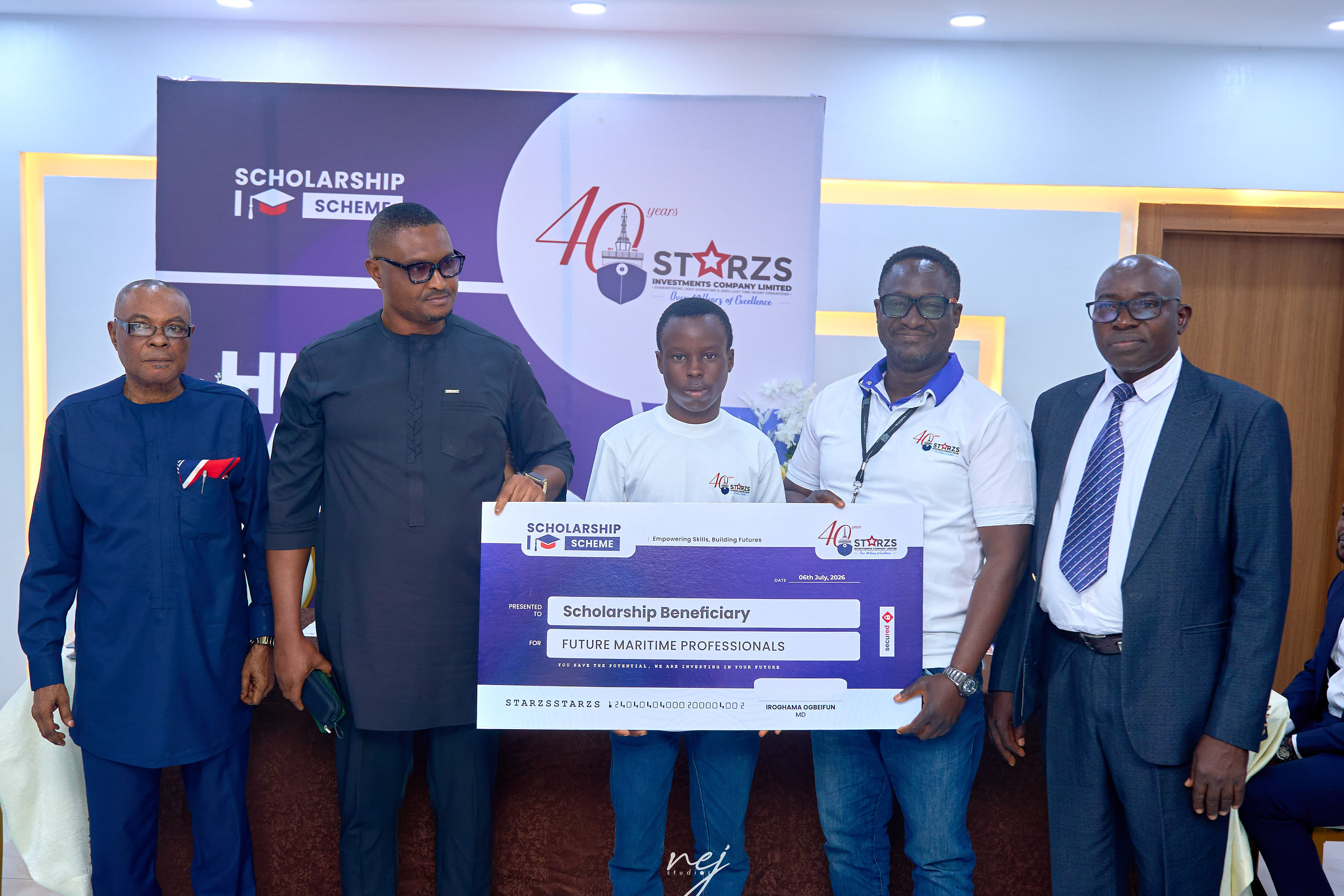
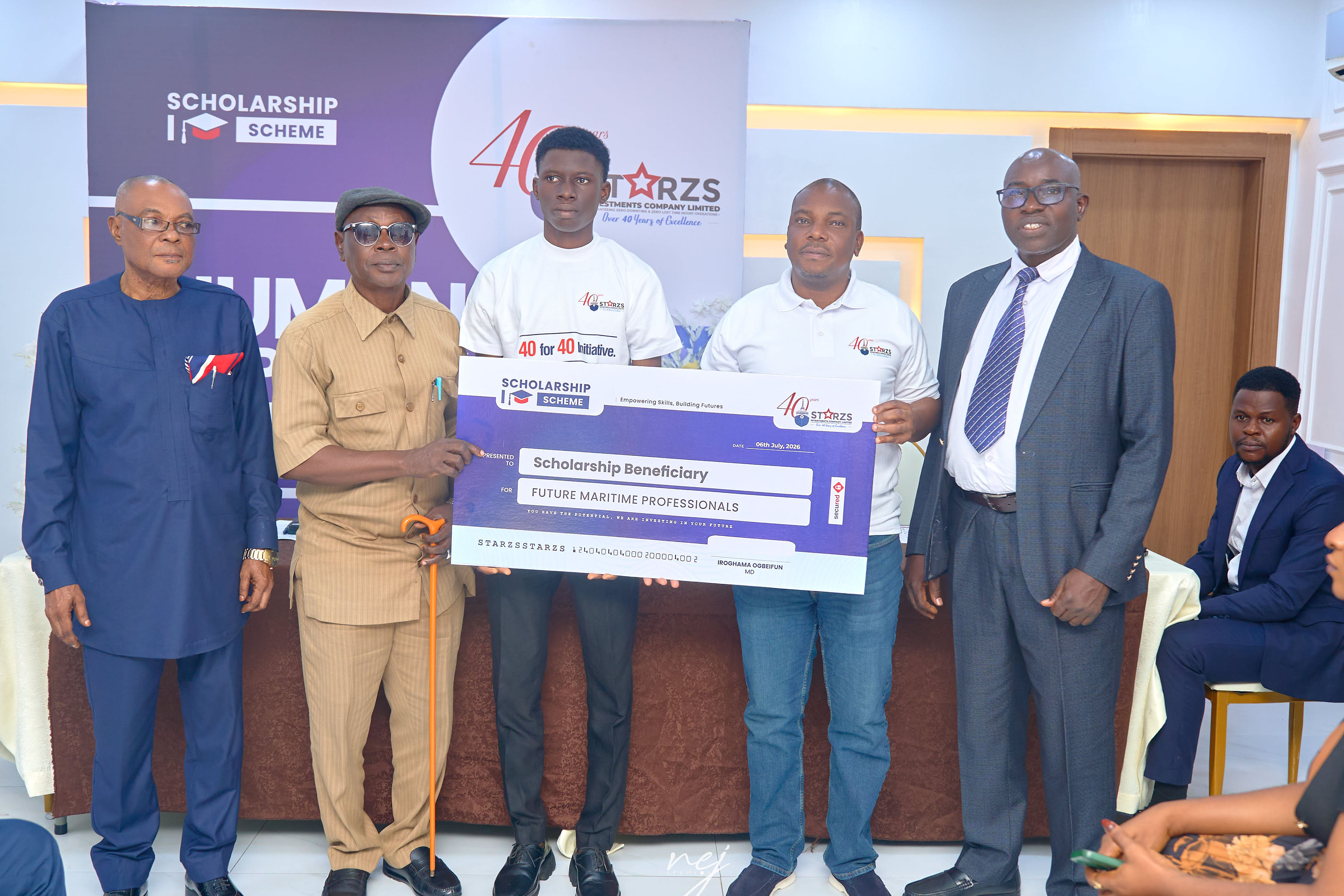
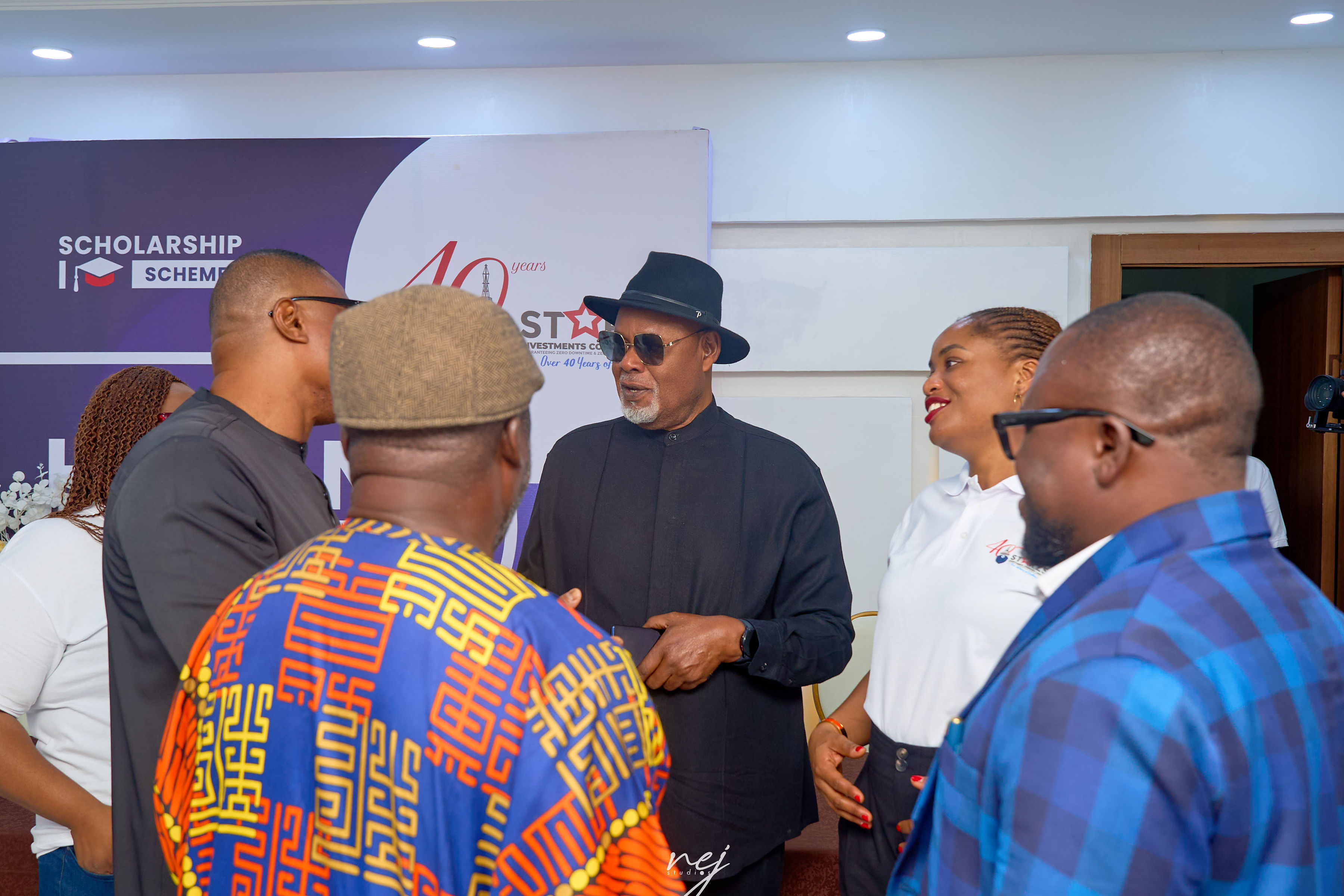
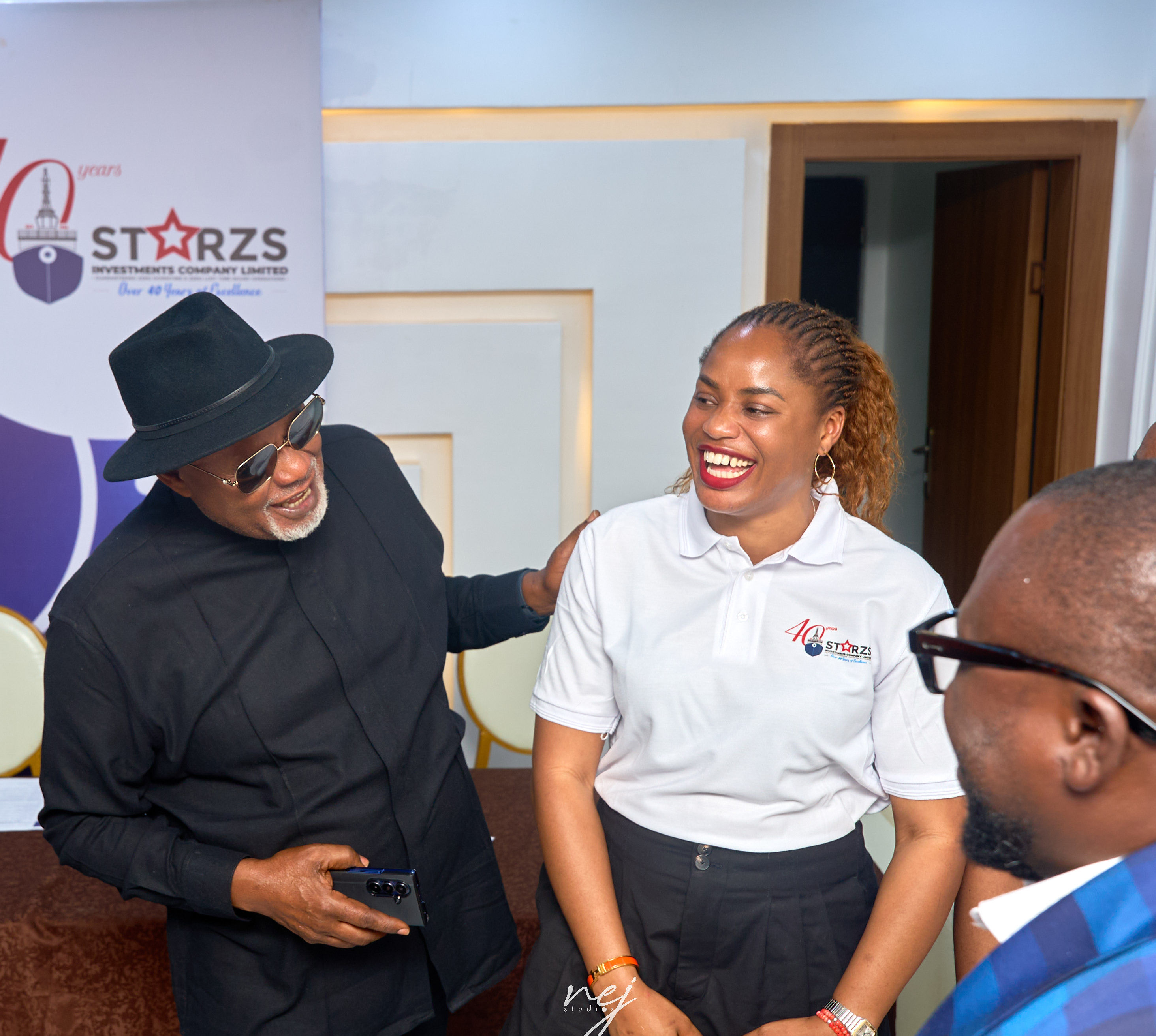
Greg Ogbeifun is a widely respected name in Nigeria’s maritime industry. An industrialist, marine engineer, shipowner and a sought-after maritime expert, he is one of those individuals who does not just participate in the industry -he helps shape it, often drawing from both experience and conviction.
Trained in the United Kingdom through a Shell BP Nigeria scholarship in 1972, Ogbeifun ventured into business in 1988 and has, over the past four decades, built an enterprise that cuts across shipping, automobile care services, energy, security and hospitality.
His Beginning
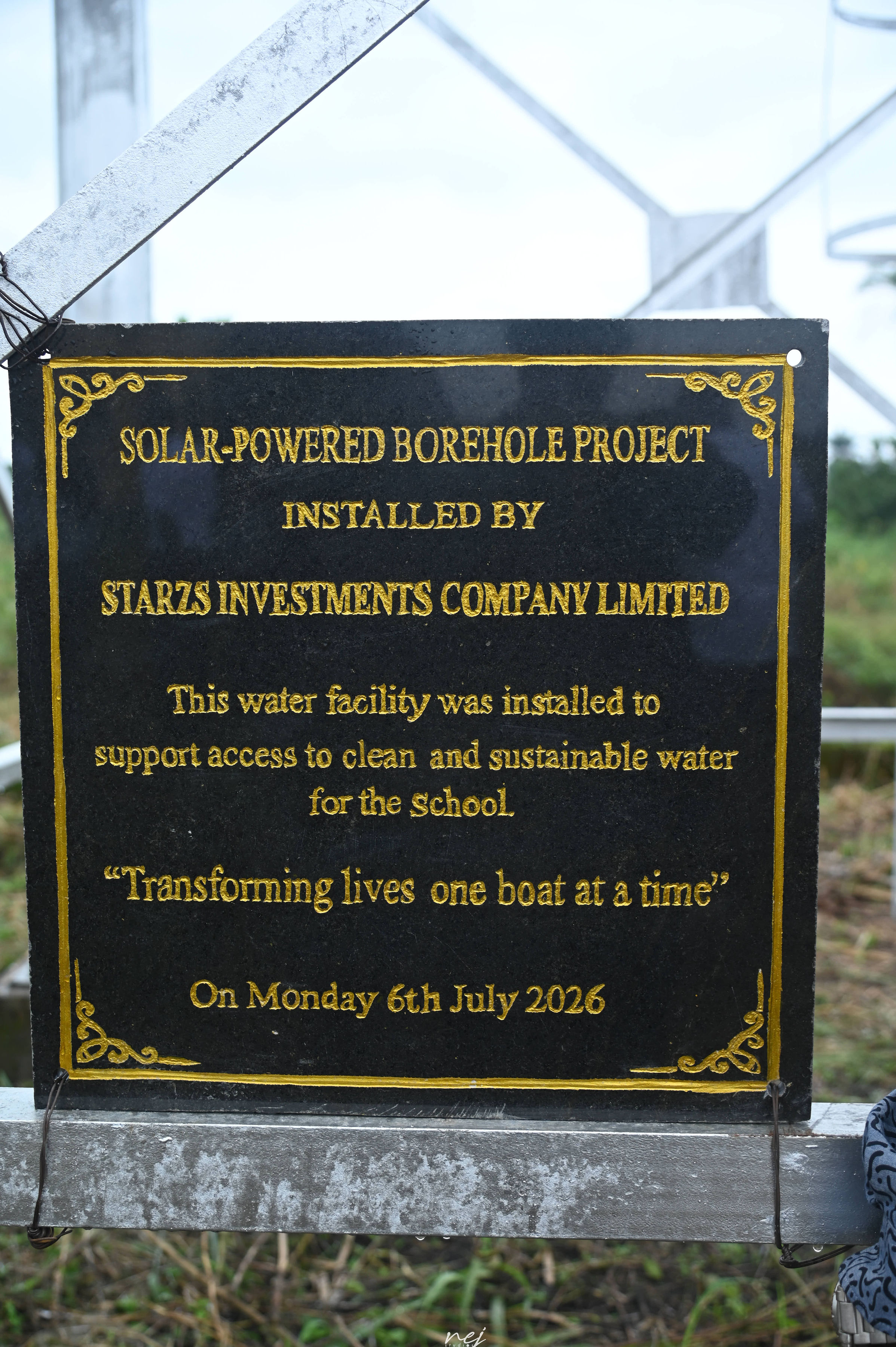
In 1984, he established Starzs Investments Company Limited- a company that has grown to acquire and deploy vessels supporting Nigeria’s Oil and Gas maritime operations.
Then, on October 28, 1992, he founded Starzs Marine & Engineering Limited, Nigeria’s first privately owned ship repair yard. Today, that same shipyard is undergoing a $365 million expansion expected to increase capacity significantly, including the installation of a 10,000-ton ship lift, with Afreximbank playing a key financing role.
“I established the first privately owned ship repair yard in this country years ago. We are expanding from a 500-ton floating dock to a 10,000-ton ship lift facility—this is about building capacity for Nigeria’s maritime future.
“The $365 million expansion is something I have worked on quietly for years. These things take patience and vision. Any vehicle is a toy compared to a ship. I am a marine engineer—I spent ten years training for this. Shipping is not just business; it is infrastructure. It is about national capacity,” he said in a recent media interview in Benin.
To think that the Conglomerate began with ₦100...
Starzs was his first business and his nearly 40-year journey in shipping puts him in a rare class of professionals who possess deep, working knowledge of global shipping-knowledge gained not from theory, but from years onboard international vessels and in the trenches of running companies.
In his 2022 memoir, *Not Always Easy: My Voyage from Obscurity*, he recounts starting out with just ₦100 in his coffers. For context, in 1988, ₦100 was roughly $22. Even at the time, that amount could hardly start any serious business-let alone shipping, which is as capital-intensive as it is technical.
But then again, knowledge is power.
Armed with expertise in ship operations and repairs—something scarcely found among Nigerians at the time—Ogbeifun understood the value he carried, even when the capital was not there. And that, more than anything, shaped his early decisions.
Shipping Under Policy Shifts
To fully understand his trajectory, you have to look at the industry he stepped into.
The late 1980s were anything but stable for Nigeria’s maritime sector. Indigenous participation in shipping was minimal—capital was scarce, access to finance was limited, and the industry itself is governed by strict international conventions where non-compliance could attract heavy penalties, even jail terms.
At the same time, Nigeria was transitioning under the Structural Adjustment Programme (SAP), moving from protective policies to liberalised frameworks. The Nigerian National Shipping Line (NNSL) was already struggling, and policy direction at the time was, in many ways, uncertain.
Six companies had “national carrier” status, collectively owning 24 vessels—19 of which belonged to the already ailing NNSL. Despite the UNCTAD 40:40:20 cargo sharing formula, Nigerian operators moved only about 11% of the nation’s cargo. The remaining 89%? Foreign operators. And really, that has always been the crux of the matter.
At the time, an average used supply vessel or small tanker cost about $2–3 million. Today, you are looking at $5 million to $30 million, conservatively speaking.
So, when you consider this, Ogbeifun’s strategy of acquiring and refitting abandoned or comatose vessels was not just clever—it was necessary. Especially as he was not a beneficiary of the Ship Acquisition and Ship Building Fund (SASBF), a scheme that has, over the years, been criticised for weak governance and lack of transparency. It largely served political interests more than the industry—but I digress.
Governance as Strategy
By the 2000s, it had become clear that several government-led interventions in shipping had failed. The NNSL had collapsed, publicly funded vessels had become entangled in controversies, and the SASBF had lost credibility.
Industry confidence was low, and corporate governance deficiencies were glaring.
This was where private sector voices became critical. Through platforms like NIMAREX, stakeholders engaged government, pushing for reforms and rebuilding confidence. Engr. Greg Ogbeifun was one of the prominent voices in that space—consistent, informed and solution-driven. He also pioneered the Ship Owners Association of Nigeria (SOAN).
But perhaps his smartest move was not advocacy.
It was structure.
At a time when many maritime businesses operated without defined systems, Ogbeifun institutionalised corporate governance within Starzs. In a 2015 interview I had with him—featured in the documentary *Green Waters: A Story of Indigenous Shipping Owning in Nigeria*—he revealed that Starzs brought in PricewaterhouseCoopers to assess its readiness for international business.
They implemented the recommendations within three years. And once that was done, access to funding, partnerships and long-term contracts became significantly easier.
In this industry, structure is everything.
Ogbeifun Beyond Shipping
His investments do not stop at shipping.
Diverse Automobile Care Centre in Benin is one of those projects that reflects both vision and practicality. The facility is equipped to handle all classes of vehicles—luxury and electric included—using advanced diagnostic systems, while also serving as a training ground for Nigerian youths.
It integrates formally trained engineers with traditional mechanics and is accredited by Toyota Nigeria and CFAO.
“The desire to create what does not exist remains my driving force. I was not driven by money. If I wanted to make money, I would not go into shipping. I am driven by purpose and professionalism.
“Money is a necessity, not a luxury. All the money I make, you see it on the street—creating platforms and jobs. It is the people you empower who will eventually take care of you. That is the real wealth. You can’t give what you don’t have. If I don’t understand a business, I have no right running it,” he said during a facility tour in Benin.
He is also expanding into the energy space through Starzs Gas, a compressed natural gas (CNG) initiative aimed at supplying gas for vehicles and industries.
Across all his businesses, one thing is consistent: governance, structure, and a long-term view.
His Defining Legacy at 75
Born on February 11, 1951, in Benin City, Engr. Greg Ogbeifun’s story is one of resilience, clarity and deliberate building.
From starting with ₦100 to overseeing a $365 million shipyard expansion, his journey is not just about business growth—it is about capacity. National capacity.
Across industries, his legacy lies not just in what he has built, but in how he has built it—systems, standards, and people.
And in his own words, it really comes down to this:
“Shipping is not just business; it is infrastructure. It is about national capacity.”
The Nigerian Maritime Administration and Safety Agency (NIMASA) has listed significant achievements it recorded in 2025, which the Agency says has strengthened Nigeria’s maritime sector and enhanced its global standing.
Under the leadership of Director-General, Dr. Dayo Mobereola, the Agency received commendations from the Presidency, maritime institutions, labour unions, and industry stakeholders for its reform-driven agenda focused on maritime safety, security, capacity development, and regulatory efficiency.
A defining highlight of the year was Nigeria’s successful return to the International Maritime Organization (IMO) Council after a 14-year absence. The country was elected into Category C during the IMO General Assembly held on 28 November 2025 in London.
President Bola Ahmed Tinubu described the achievement as a strong affirmation of Nigeria’s growing influence in global maritime governance. In a State House statement, the President noted that the election reflects international confidence in Nigeria’s commitment to maritime safety, security, and environmental sustainability. He also commended the Federal Ministry of Marine and Blue Economy, NIMASA, and Nigeria’s diplomatic team for their efforts.
The Honourable Minister of Marine and Blue Economy, Dr. Adegboyega Oyetola, who led the campaign, attributed the victory to sustained diplomatic engagements and improvements in maritime security, particularly in the Gulf of Guinea.
In further recognition of Nigeria’s rising profile, the Secretary-General of the IMO, Mr. Arsenio Dominguez, visited the country in 2025. The visit, hosted by the Federal Government with coordination from NIMASA, reinforced Nigeria’s relevance in global maritime affairs.
On maritime security, NIMASA sustained zero piracy incidents in Nigerian waters during the year, largely due to the Deep Blue Project. The IMO Secretary-General, during his visit, observed the security architecture and noted its effectiveness as a model for other maritime nations.
In the area of human capacity development, the Agency made progress in addressing the long-standing issue of sea-time training for cadets under the Nigerian Seafarers Development Programme (NSDP). NIMASA also strengthened its support for the Maritime Academy of Nigeria, Oron, with the Director-General attending the institution’s graduation ceremony for the first time in its history.
NIMASA’s engagement with maritime labour also yielded positive outcomes. The Maritime Workers Union of Nigeria (MWUN) commended the Agency for fostering industrial harmony, including facilitating the signing of a Collective Bargaining Agreement with shipping operators. The agreement is expected to improve working conditions and strengthen labour relations in the sector.
The Agency also made progress on the Cabotage Vessel Financing Fund, resolving key issues that had delayed its disbursement, with expectations for implementation in 2026.
Internally, NIMASA improved staff welfare through promotions, training, and capacity-building initiatives aimed at strengthening institutional performance.
As 2025 comes to a close, NIMASA says it is focused on consolidating these gains in 2026, with continued alignment to the Federal Government’s blue economy agenda.
In his New Year message, Director-General Dr. Dayo Mobereola thanked stakeholders for their support and expressed optimism for the year ahead.
He said, “As we look forward to 2026, it is our firm resolve to consolidate on these gains and deliver even greater outcomes for the sector.”
The immediate past President-General of the Maritime Workers’ Union of Nigeria (MWUN), Comrade (Prince) Adewale Adeyanju, has joined colleagues and friends in celebrating Mrs Kenechi Okezie, the Port Manager of the Nigerian Ports Authority (NPA), Port Harcourt, who marked her 50th birthday on 1 November 2025.
Comrade Adeyanju, who also serves as Deputy President of the Nigeria Labour Congress (NLC) and Vice President (Global) of the International Transport Workers’ Federation (ITF), described Mrs Okezie as “a woman of substance, a devoted Christian, and a professional of rare excellence.”
“Her sense of reasoning, discipline, and responsibility is second to none,” Adeyanju said. “She is a resourceful mariner with a clear record of performance and dedication to duty.”
Reflecting on his tenure as MWUN President-General, the Oyo-born labour leader recalled Mrs Okezie’s steadfast support for the union and her commitment to improving working relations within the maritime industry.
“Mrs Okezie has always been a dependable partner and an exemplary maritime personality,” he noted. “Our relationship in the industry has been one built on mutual respect and service to the sector.”
Now the Chairman of the MWUN Board of Trustees, Comrade Adeyanju extended heartfelt wishes to Mrs Okezie, praying for divine grace, health, and prosperity in her new decade.
“My dear sister, may the good Lord continue to protect you and your home. Keep the flag flying at the NPA, and may your name be written in gold for your enduring contributions to the maritime sector,” he added.
Comrade Adeyanju concluded with a personal message of celebration:
“Happy birthday, Mrs Okezie. May you continue to age gracefully and remain ever blessed in His presence.”
The Nigerian Ports Authority’s (NPA) Maritime Pilots, have marked their 20th anniversary with a renewed commitment to safety, competence, and service to national development.
In a message commemorating the milestone, National Chairman of the Nigerian Maritime Pilots Association (NMPA), Pilot Mohammed Bida, hailed the 2005 batch of NPA Maritime Pilots for their two decades of distinguished service, describing them as “custodians of maritime excellence” whose work has been vital to Nigeria’s economic growth.
Bida recalled that on October 31, 2005, the NPA took a visionary step by recruiting young graduates of Nautical Science as Maritime Pilots — a move that modernized pilotage operations and aligned the Authority’s services with international best practices.
“This historic milestone marks two decades of professionalism, courage, and unwavering commitment to the safe navigation of vessels within Nigeria’s territorial waters.
“Over the years, NPA Maritime Pilots have distinguished themselves through teamwork, resilience, and competence,” he said.
He equally appreciated the contributions of pilots stationed across the pilotage districts of Lagos, Bonny, Warri, and Calabar, emphasizing that their expertise continues to ensure the smooth and safe movement of ships that power the nation’s trade and industry.
Acknowledging the crucial role of NPA Management over the years, Bida commended successive leadership for prioritizing training and retraining programs that have elevated Nigerian pilots to global standards.
“Our achievements in safe pilotage operations would not have been possible without the steadfast support and commitment of the NPA Management. Many of the 2005 pilots have now risen to the rank of Master Mariners and Senior Pilots; a testament to the Authority’s vision and investment in human capital,” he remarked.
The NMPA Chairman urged members to use the anniversary as a moment of reflection and recommitment to the Association’s core values of safety, integrity, competence, and service to the nation.
Lagos, NAdebise, former MD/CEO of Wema build around Leading in a Storm, the new book by Dr. Dakuku Peterside, as prominent Nigerian thought leaders—Prof. Tunji Olaopa, Dr. Toye Sobande, Dr. Ademola Adebise, and Dr. Michael Onuoha—praise its relevance, clarity, and actionable frameworks for navigating complexity across public and private sectors.
These leaders highlighted the book’s blend of field-tested tools and reflective wisdom, noting that it helps executives, policymakers, and community builders lead with calm focus under pressure. Prof. Tunji Olaopa, Chairman of the Federal Civil Service Commission and author of Transforming the African Public Service, described it as “a defining contribution to developing the crisis leaders the world sorely needs,” adding that “it is a must-read not only for leaders but also for researchers and learners.”
Ademola Adebise, former MD/CEO of Wema expert and author of The Leadership Myth: Why Leadership Principles Do Not Work in Sub-Saharan Africa, said, “In Leading in a Storm, Dr. Dakuku Peterside offers invaluable strategies to help leaders navigate chaos and lead effectively in the most challenging circumstances. Drawing on real-world examples across Africa, he emphasizes the importance of context, calmness, and communication.”
Dr. Ademola Adebise, former MD/CEO of Wema Bank, described the book as “a straightforward and actionable handbook that empowers leaders to face uncertainty and disruption with resilience and flexibility.” He added, “It shows leaders how to slow down the noise, speed up the right choices, and keep teams aligned when the stakes are highest.”
Chief Dr. Michael Onuoha, Chairman and CEO of Ailes Group, commended Leading in a Storm as “a valuable guide for leaders navigating complex challenges,” praising its “insightful strategies for effective leadership amidst turbulence.” He noted, “The tools for context scanning, rapid learning loops, and post-crisis renewal are worth their weight in gold for any leader committed to lasting impact.”
Responding to the endorsements, Dr. Peterside said, “Each new endorsement underscores what readers are discovering: practical guidance matters most when pressure is highest. I am grateful to these distinguished leaders for engaging with the work and for their commitment to building resilient institutions.”