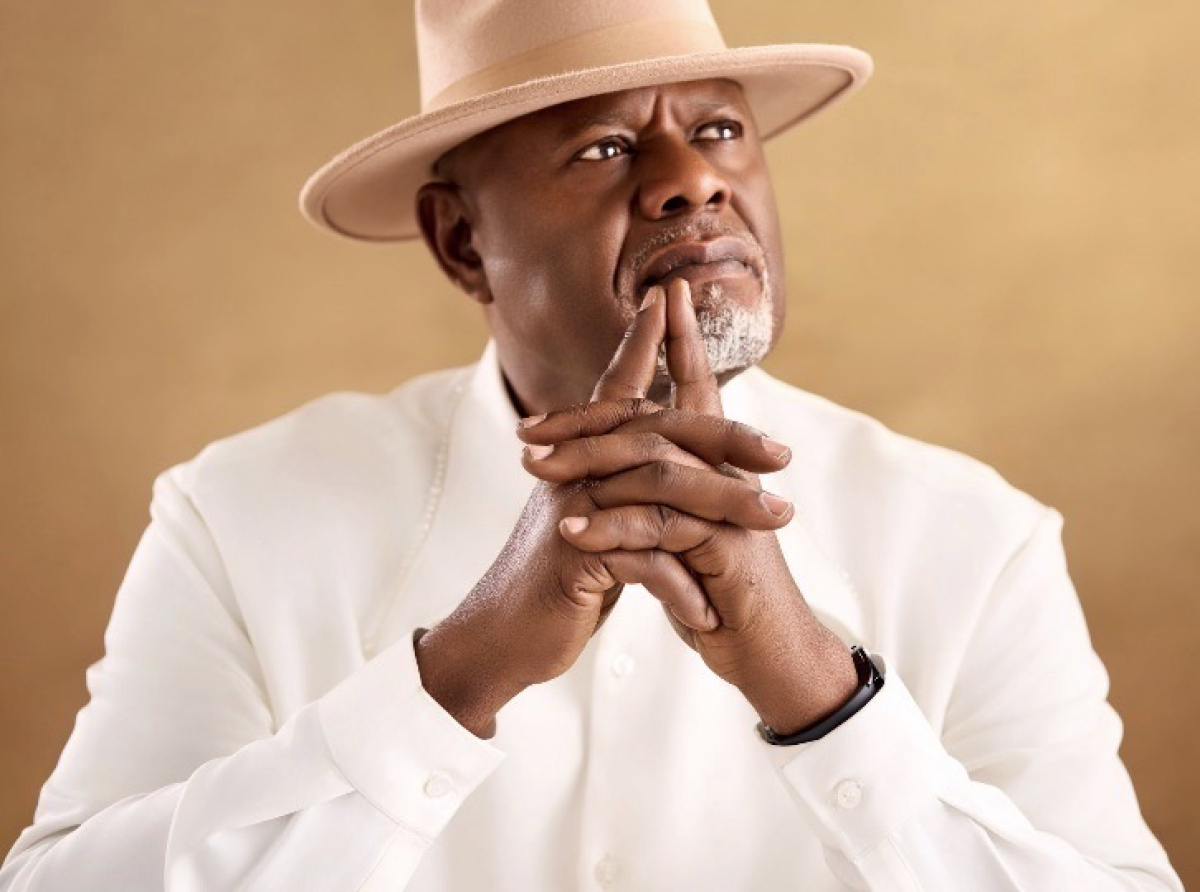
Greg Ogbeifun is a widely respected name in Nigeria’s maritime industry. An industrialist, marine engineer, shipowner and sought-after maritime expert, he consistently lends practical insight and his extensive experience to shaping the Maritime and Blue Economy sector.
Trained in the United Kingdom through a scholarship by Shell BP Nigeria in 1972, Ogbeifun ventured into his own business in 1988 and has, in the last 40 years, built a business empire that spans shipping, automobile care services, energy, security and hospitality.
Early Foundations in Shipping
In 1984, Ogbeifun established Starzs Investments Company Limited, a company that now owns a fleet of eleven ships and is renowned for acquiring and deploying vessels that support Nigeria’s Oil and Gas operations.
On October 28, 1992, he founded Starzs Shipyard, Nigeria’s first privately owned ship repair yard, incorporated as Starzs Marine & Engineering Limited. The shipyard is currently undergoing a major $365 million expansion expected to increase its vessel capacity and install a 10,000-ton ship lift with the AfriExim ( African Export- Import Bank) as a key funder of the project.
“I established the first privately owned ship repair yard in this country 26 years ago. We are expanding from a 500-ton floating dock to a 10,000-ton ship lift facility - this is about building capacity for Nigeria’s maritime future.
“The $365 million expansion is something I have worked on quietly for years. These things take patience and vision. Any vehicle is a toy compared to a ship. I am a marine engineer - I spent ten years training for this. Shipping is not just business; it is infrastructure. It is about national capacity,” Ogbeifun stated in a recent media interview in Benin.
Starting with ₦100
Starzs was Greg Ogbeifun’s first business, and his nearly 40-year old journey in Shipping places him in a rare class of professionals who possess deep knowledge of global shipping, a knowledge he gained firsthand working onboard international vessels and running his own companies.
His 2022 published memoir, NOT ALWAYS EASY: My Voyage From Obscurity, tells the story of his rise with just ₦100 in his coffers when he set out. And for context, in 1988, ₦100 was worth roughly $22 USD. The official rate was about ₦4.54 to US$1, while the black-market rate hovered around ₦6.70. Even then, ₦100 was rarely enough capital to start any business - let alone the highly capital-intensive shipping industry.
But, as the saying goes, knowledge is power. Armed with rare expertise in ship operations and repairs - a knowledge scarcely seen among Nigerians at the time - Ogbeifun understood the value he carried, even in the absence of money.
Shipping Under Policy Shifts
The late 1980s were turbulent for Nigeria’s maritime sector. Indigenous ship acquisition was rare due to high capital requirements, limited access to finance and global regulation of the Shipping industry. Shipping is technical and governed by international conventions, non-compliance could attract heavy penalties or even a jail term.
The industry at this time was transitioning under the Structural Adjustment Programme (SAP), moving from protective policies to liberalised, market-driven frameworks. At the same time, national organistions like the Nigerian National Shipping Line (NNSL) were a struggling. The 1987 National Shipping Policy Decree had also been adopted by the National Maritime Authority (now NIMASA). Six lines namely Nigerian National Shipping Line, Nigerian Green Lines, African Ocean Line, Nigerbrass, Brawal and Nigerian South American Lines were granted the “national carrier” status, collectively owning 24 vessels. Of these, 19 belonged to the ailing NNSL.
Despite the UNCTAD 40:40:20 cargo sharing formula, Nigerian carriers transported only about 11% of the nation’s cargo, leaving 89% to foreign operators. Creating an enabling environment for indigenous shipowners to move Nigeria’s cargo was and remains a central issue.
At the time, an average sized used supply vessel or small tanker cost about $3 million. Today, such vessels range between $5 million and $30 million, conservatively speaking. Considering this, Ogbeifun’s strategy of buying and refitting abandoned or comatose vessels proved strategic, especially since he was not a beneficiary of the Ship Acquisition and Ship Building Fund (SASBF).
The SASBF, introduced to support ship acquisition, has been critised for weak corporate governance and lack of transparency. It literally served more allies of political leaders than the Shipping industry. And of the many Nigerians who received the fund, only Captain Emmanuel Iheanacho, Nigeria’s former Minister of Interior, has boldly declared he paid back the loan and learnt international shipping through the investment. Neither the list of those who paid back nor those who defaulted has been published by government but I digress.
Governance as Ogbeifun’s Strategy
By the 2000s, several government-led shipping interventions had failed. The NNSL had collapsed, publicly funded vessels were roped in disgraceful controversies and the SASBF had failed. Industry confidence was weak and corporate governance deficiencies had become apparent. Private sector advocacy became essential. Through platforms like NIMAREX (Nigerian Maritime Conference & Exhibition), stakeholders engaged government and pushed reforms. Engr. Greg Ogbeifun was a prominent leader and voice in those conversations who mobilised stakeholders and convinced government of the importance of maritime business even for the Nigerian state.
Ogbeifun is quick to identify gaps, speak up and offer solutions. His passion and expertise has made his presence on restructuring committees almost inevitable. He also pioneered the Ship Owners Association of Nigeria (SOAN). That said, perhaps his most strategic move was institutionalising corporate governance within Starzs at a time when many maritime businesses operated without structured systems.
In a 2015 interview featured in the documentary Green Waters: A Story of Indigenous Shipping Owning in Nigeria, he disclosed that Starzs invited PricewaterhouseCoopers to evaluate its structure and readiness for international business. After implementing recommended reforms within three years, the company strengthened its ability to attract funding, partnerships, and long-term contracts.
Beyond Shipping: Diverse Automobile and Starzs Gas
Ogbeifun’s investments extend beyond the maritime sector. Diverse Automobile Care Centre, Benin is one of his enterprises dedicated to handling all classes of vehicles- luxury or electric vehicles - using advanced diagnostic systems while also serving as a training hub for Nigerian youths.
Technology, safety and professionalism define operations at Diverse Automobile. The facility integrates formally trained engineers and traditional mechanics (artisans) and is accredited by Toyota Nigeria and CFAO for technical training.
“The desire to create what does not exist remains my driving force in everything I do. I was not driven by money. If I wanted to make money, I would not go into shipping. I am driven by purpose and professionalism.
“Money is a necessity, not a luxury. All the money I make, you see it on the street - creating platforms and jobs. It is the people you empower who will eventually take care of you. That is the real wealth. You can’t give what you don’t have. If I don’t understand a business, I have no right running it,” Ogbeifun remarked during a facility tour in Benin.
He is also expanding into the energy sector through Starzs Gas, a compressed natural gas (CNG) plant focused on processing and supplying gas for vehicles and industries. Across his companies, he maintains strong corporate governance structures with active boards and committees while focusing on industrial innovation, capacity building, excellence and long-term infrastructure development rather than short-term profit.
A Defining Legacy at 75
Born on February 11, 1951 in Benin city, the life and times of Engr Greg Ogbeifun who turns 75 this year reflects resilience, structure and strategic foresight. From starting with ₦100 to overseeing a $365 million shipyard expansion, his story is not merely about business growth - it is about patriotism and building national capacity. Across multiple industries, Ogbeifun’s legacy rests not just in assets acquired, but in systems built and professionals groomed. He puts it plainly: “Shipping is not just business; it is infrastructure. It is about national capacity.”

In 1984, he established Starzs Investments Company Limited - a company known to acquire and deploy ships that support Oil and Gas operations in Nigeria. On October 28, 1992, he founded Starzs Shipyard, Nigeria’s first privately owned ship repair yard incorporated as Starzs Marine & Engineering Limited. The Shipyard is currently undergoing a major $365 million expansion expected to increase its vessel capacity and install a 10,000-ton ship lift.
“I established the first privately owned ship repair yard in this country 26 years ago. We are expanding from a 500-ton floating dock to a 10,000-ton ship lift facility- this is about building capacity for Nigeria’s maritime future.
“The $365 million expansion is something I have worked on quietly for years. These things take patience and vision. Any vehicle is a toy compared to a ship. I am a marine engineer-I spent ten years training for this. Shipping is not just business; it is infrastructure. It is about national capacity”, Ogbeifun stated in a recent media interview in Benin.
He has gone on to establish Eagle Watch Security, Starzs Gas, Diverse Auto Care Centre, Cee-Jacksons Apartments amongst others.
Building Starzs Amid Policy Shifts and Capital Constraints
Starzs was Greg Ogbeifun’s first business and his about 40-year-old journey puts him in a rare class of very few professionals who possess the deep knowledge of global shipping- a knowledge he gained firsthand working onboard international ships and running his companies.
His 2022 published memoir, “NOT ALWAYS EASY: My Voyage from Obscurity”, tells the story of his rise to grace and fame with just ₦100 (one hundred naira) in his coffers at the time he set out. His entrepreneurial journey remains intriguing and inspiring to many.
For context, a quick look at AI overview showed that in 1988 ₦100 (one hundred naira) was worth roughly $22 USD. The official rate at the time was about ₦4.54 to US$1 and the black-market rate hovered around ₦6.70. Even then, N100 was rarely enough capital to start any business how much more the very capital-intensive shipping. But as is said, knowledge is power, so, Ogbeifun armed with the kind of knowledge that was scarcely seen in Nigerians – knowledge of the intricacies surrounding the running ships and fixing them, must have known he was goldmine hence the driving factor in the absence of money.
Even though some of the finest crop of Nigerian mariners emerged around this period (the 80s), scarcely did indigenouscompanies get into acquiring vessels- first, it was way too expensive, requiring funds from banks and there were conditions to meet too. Shipping is technical and guarded by many conventions which fouling could attract penalties or even a jail term. In many cases, zero or scanty track record limited access to funding for the acquisition of vessels and the consequent everyday running of the same, all of which Engr Greg Ogbeifun was able to wing with just N100 in his pocket.
The shipping scene in the late 80’s was really far from buoyant. Nigeria had shifted from a protective, import-constrained shipping policies to liberalised, market-driven policies anchored on the Structural Adjustment Programme (SAP). The nation was also already grappling with the poor running of the Nigerian National Shipping Line (NNSL), the industry was chaotic, and politicians who seldom understood maritime business churned out ideas they felt would provide policydirection for the shipping sector which was largely serviced and dominated by foreign operators.
The shipping industry in 1987 was also transiting to the National Shipping Policy Decree. It had just been adopted byNational Maritime Authority (NMA, now NIMASA), for the industry. At the time, six lines - Nigerian National Shipping Line, Nigerian Green Lines, African Ocean Line, Nigerbrass, Brawal and Nigerian South American Lines - owning a combined total of 24 ships were granted the status of “national carriers”. Of these, 19 vessels belonged to the Nigerian National Shipping Line, which was already gasping for breath. On cargo allocation, UNCTAD 40:40:20 was adopted by government yet Nigerian ships, the national carriers were only able to move about 11% of the nation’s cargo, leaving 89% in the hands of foreign shipping lines. And this -creating an enabling environment that allowed Nigerian shipowners move the nation’s cargo- was the crux of matter, it still is.
In 1988, an average used (second-hand) supply vessel or small tanker cost about $2 million USD. Today, the same ship would go for between $5 million USD ands$25 million USD conservatively speaking. So while the Shipping business was and still is daunting, Ogbeifun’s strategy of buying and refitting abandoned or comatose vessels was most strategic, especially since he was not a beneficiary of the SASBF.
By the late 1980s, government supported the shipping sphere through the Ship Acquisition and Ship Building Fund (SASBF). The disbursement of this subsidy has been criticized for decades as lacking corporate governance, structure and serving allies of political leaders. Of all Nigerians who benefited from the fund, only Captain Emmanuel Iheanacho, Nigeria’s former Minister of Interior, has boldly declared he paid back the loan and learnt international shipping through the investment, government has also never published the listed of beneficiaries who repaid but I digress.
Industry Advocacy, Governance, and a Defining Legacy
By 2000s, many government interventions in Shipping had failed. The Nigerian National Shipping Line had collapsed, ships bought by the Federal Government were caught in some of the most disgraceful webs around the world, and the Ship Acquisition and Ship Building Fund had gone down the drain. Several postmortems of these interventions showed very weak corporate governance and as a result the Nigerian Maritime sector entered an era where it always had to go an extra mile to prove its capacity, frequent defaults had eroded government’s confidence in maritime affairs.
The posture of government to the industry spelt indifference and soon the private sector plunged into advocacy educating government and winning its confidence through forums like NIMAREX and other Public - Private sector engagements. Engr. Greg Ogbeifun was one of the voices that echoed loudly especially with NIMAREX. He identified gaps quickly, spoke up consistently and proffered solutions. His wealth of knowledge made his presence on committees and working groups for sector restructuring almost inevitable.
The smartest business initiative Ogbeifun- who also pioneered the Ship Owners Association of Nigeria (SOAN)- made was not merely speaking up for Nigerian shipowners or being visibly present at government forums. His smartestaccomplishment was instituting corporate governance in his business at a time when maritime businesses were notoriously without structure.
In a 2015 interview I had with him, featured in a television documentary titled “Green Waters: A Story of Indigenous Shipping Owning in Nigeria” by Maritime TV Africa, Ogbeifun disclosed that Starzs invited PricewaterhouseCoopers to evaluate its structure and readiness for international business. And when told what was to be done to scale up Starzs, thecompany gave itself three years and it met all the expectations. Once those demands were met, it became easier for Starzs to attract funding, partnerships, and win long-term contracts. In Shipping, Starzs became known for supporting Maritime Education and for providing jobs for seafarers.
Ogbeifun's Other Investments
Remarkable is not only his work in Shipping but also at the Diverse Automoblie Care Centre. The centre is driven bytechnology and holds dear professional and safety standards to meet global demands. The facility integrates formally trained engineers and traditional mechanics (artisans) and is accredited by Toyota Nigeria and CFAO for technical training. Diverse Motors is equipped to handle all classes of vehicles - luxury and electric vehicles using advanced diagnostic systems, while also serving as a training hub for engineering students through structured internship programmes.
“The desire to create what does not exist remains my driving force in everything I do.I was not driven by money. If I wanted to make money, I would not go into shipping. I am driven by purpose and professionalism.
“Money is a necessity, not a luxury. All the money I make, you see it on the street-creating platforms and jobs. It is the people you empower who will eventually take care of you. That is the real wealth. You can’t give what you don’t have. If I don’t understand a business, I have no right running it”, Ogbeifun remarked recently.
He is also headed into the energy space where Starzs Gas, a compressed natural gas (CNG) plant focused on processing and supplying gas for vehicles and industries is resuming operations in a few months. Across his companies, he maintains strong corporate governance structures, with active boards and committees, Ogbeifun is bent on grooming Nigerian youths to become thorough bred professionals. His focus remains industrial innovation, capacity building, excellence and long-term infrastructure development rather than short-term profit.