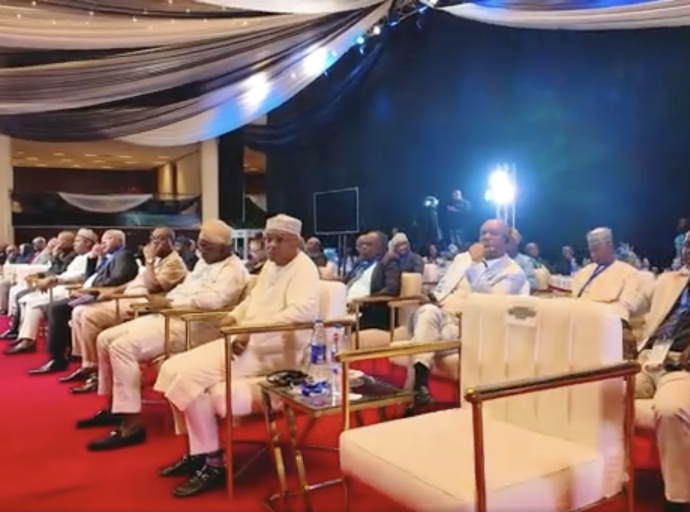
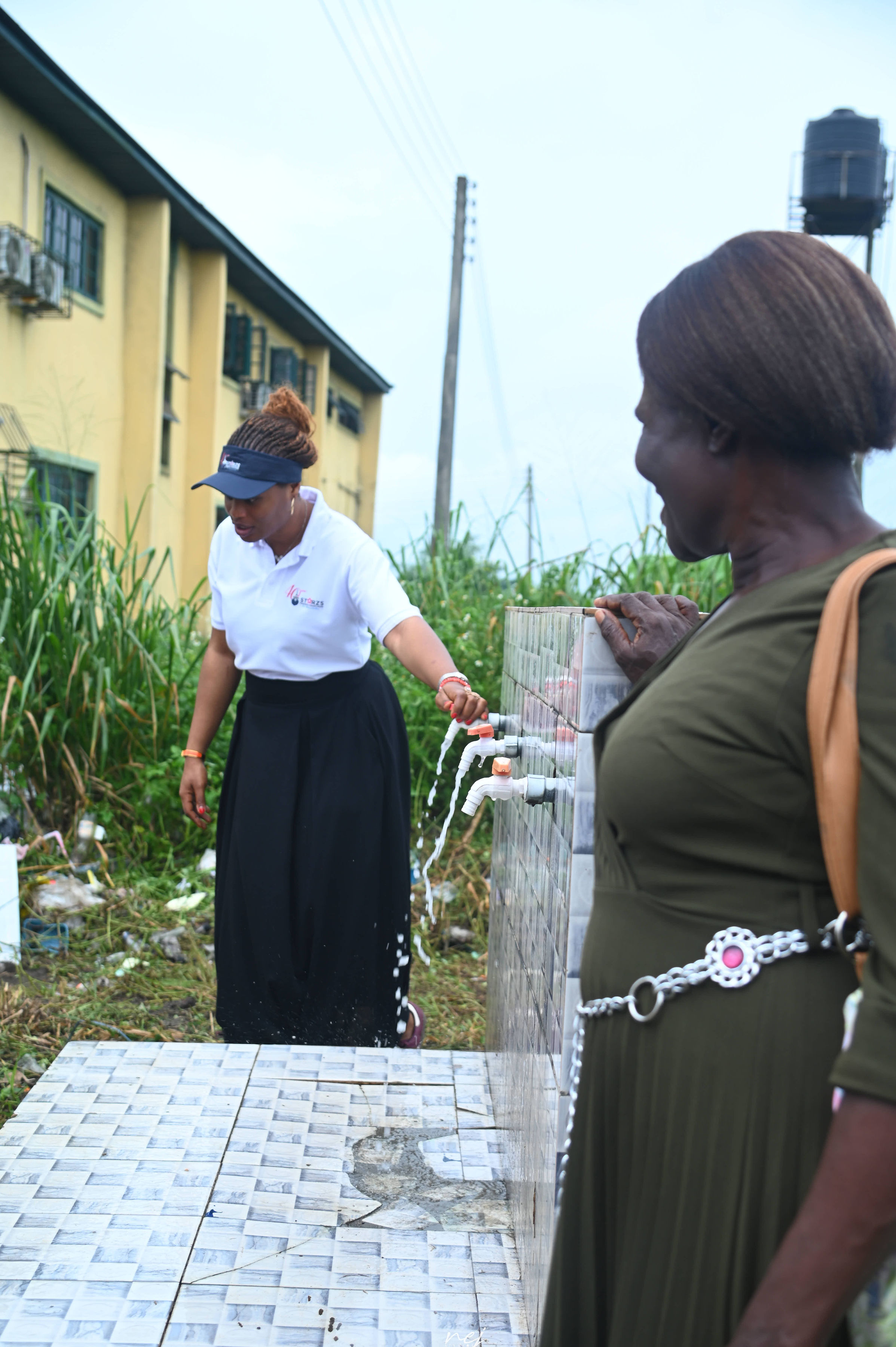
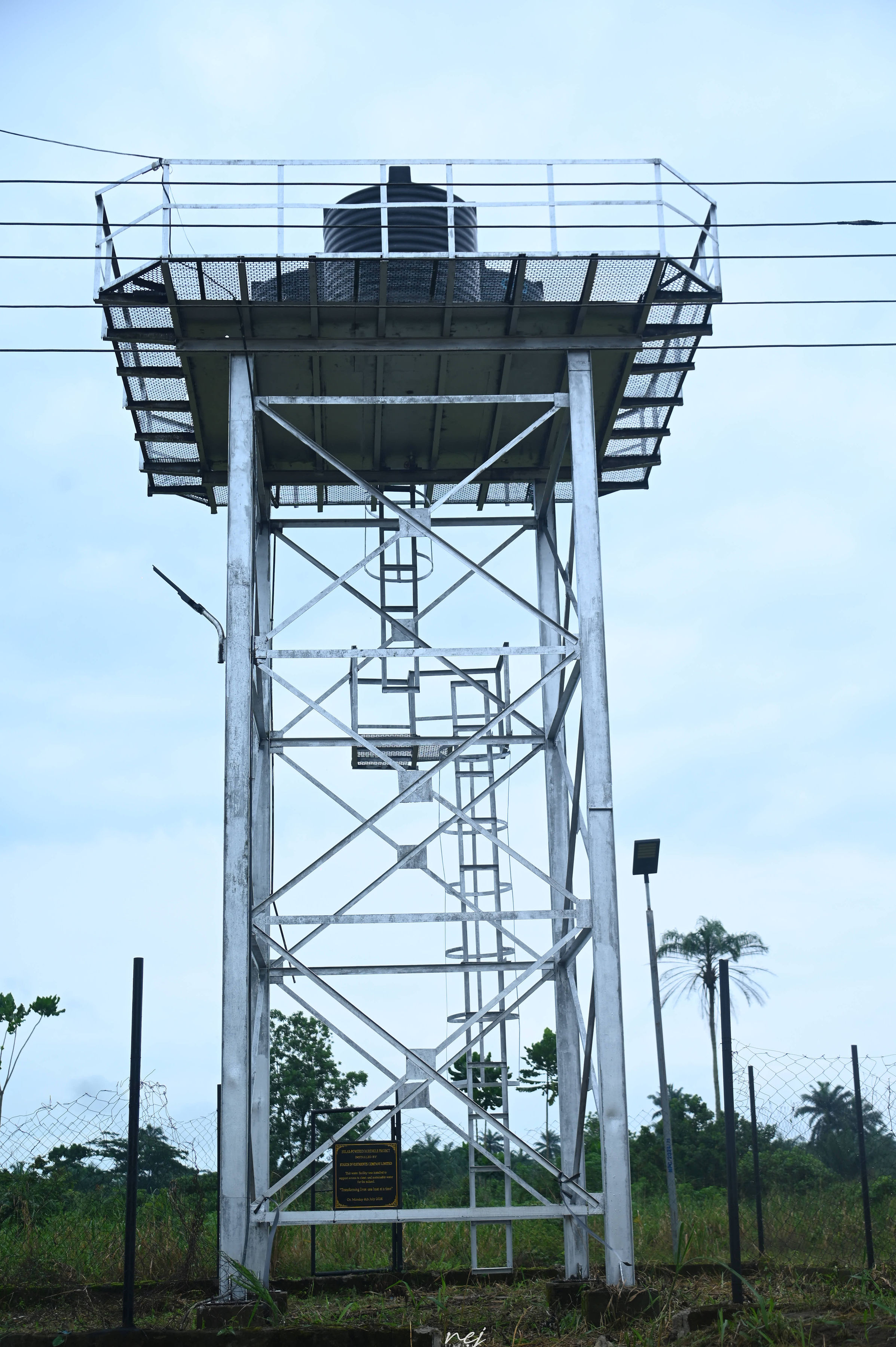
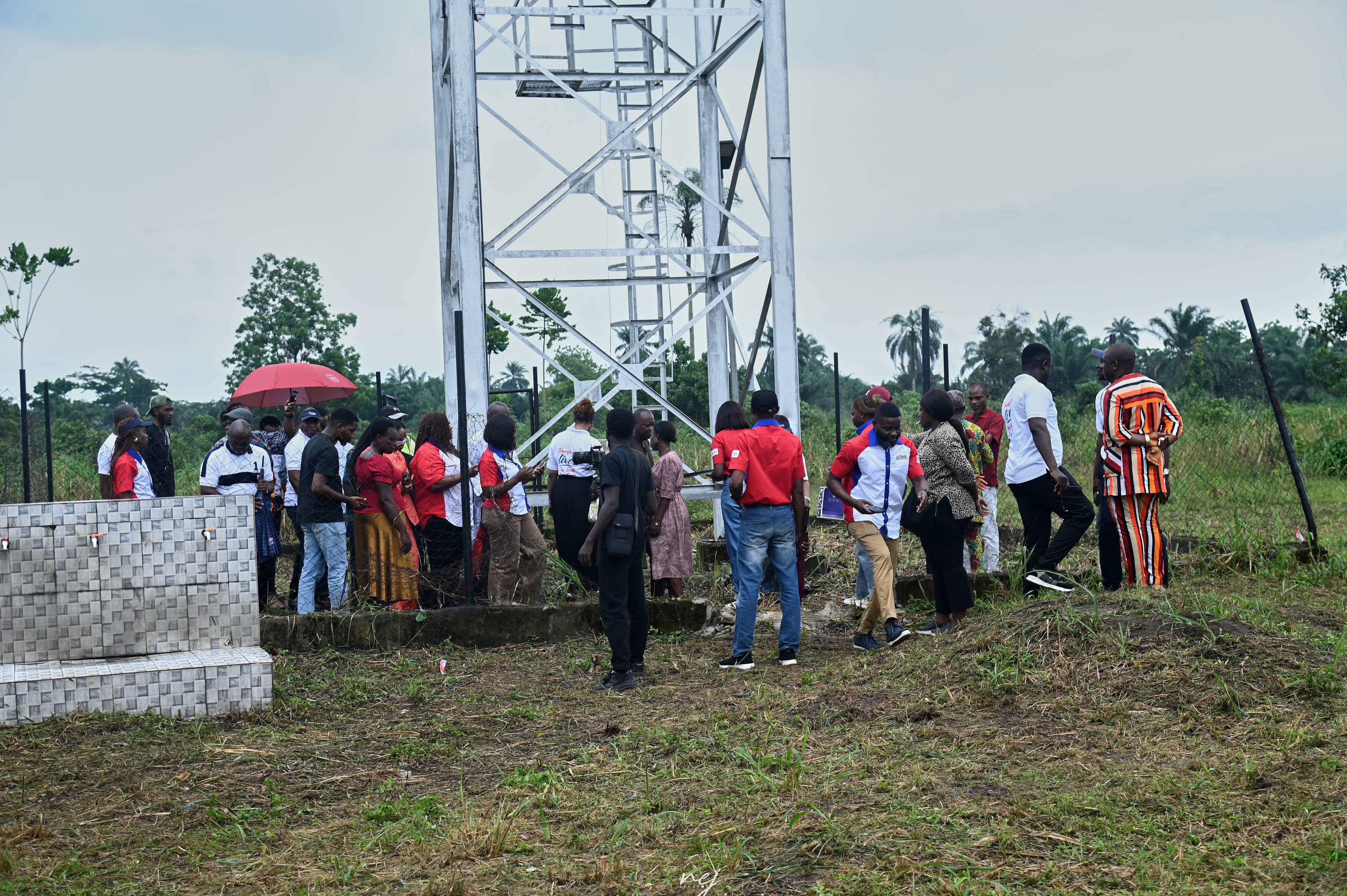
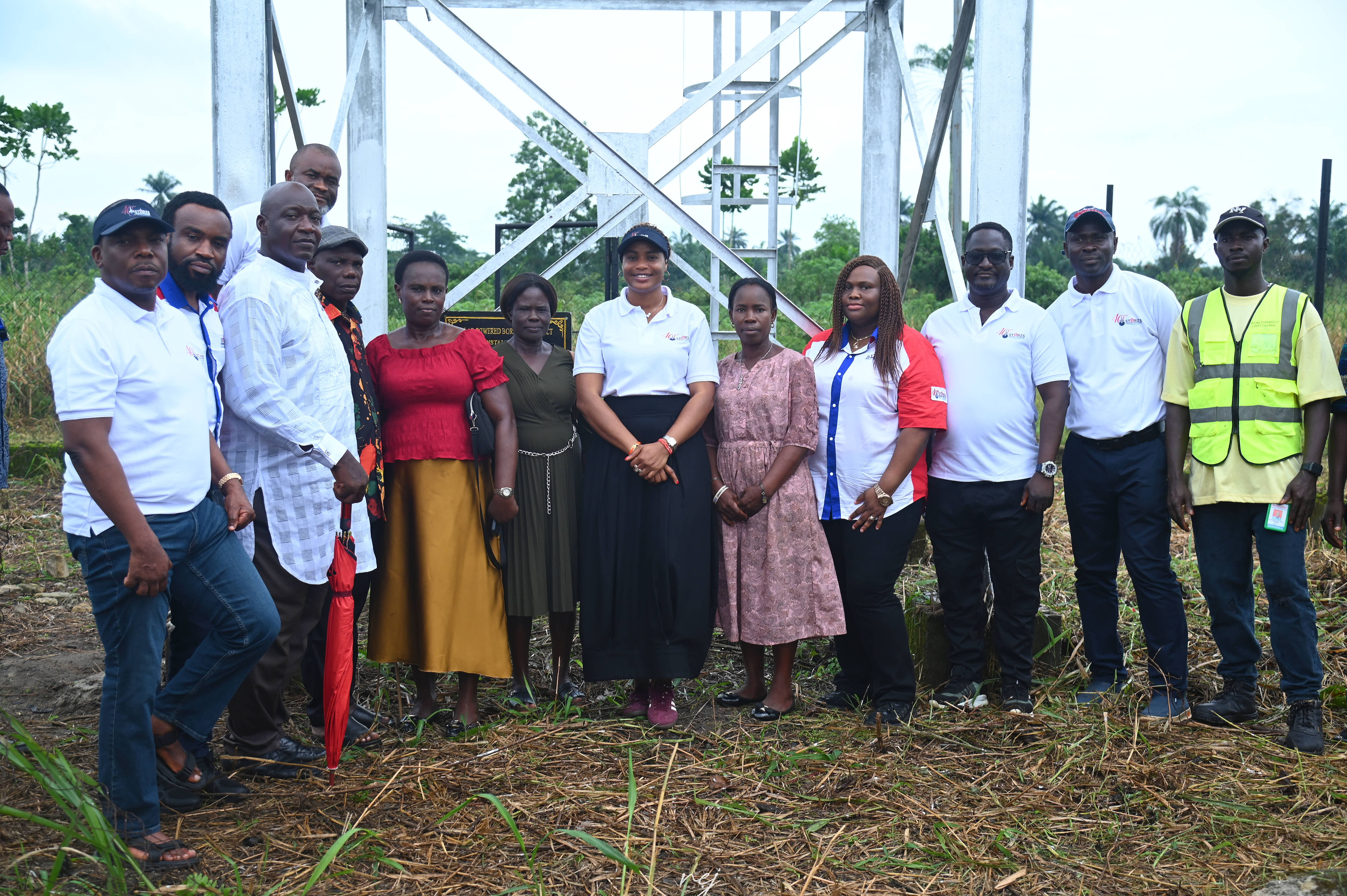
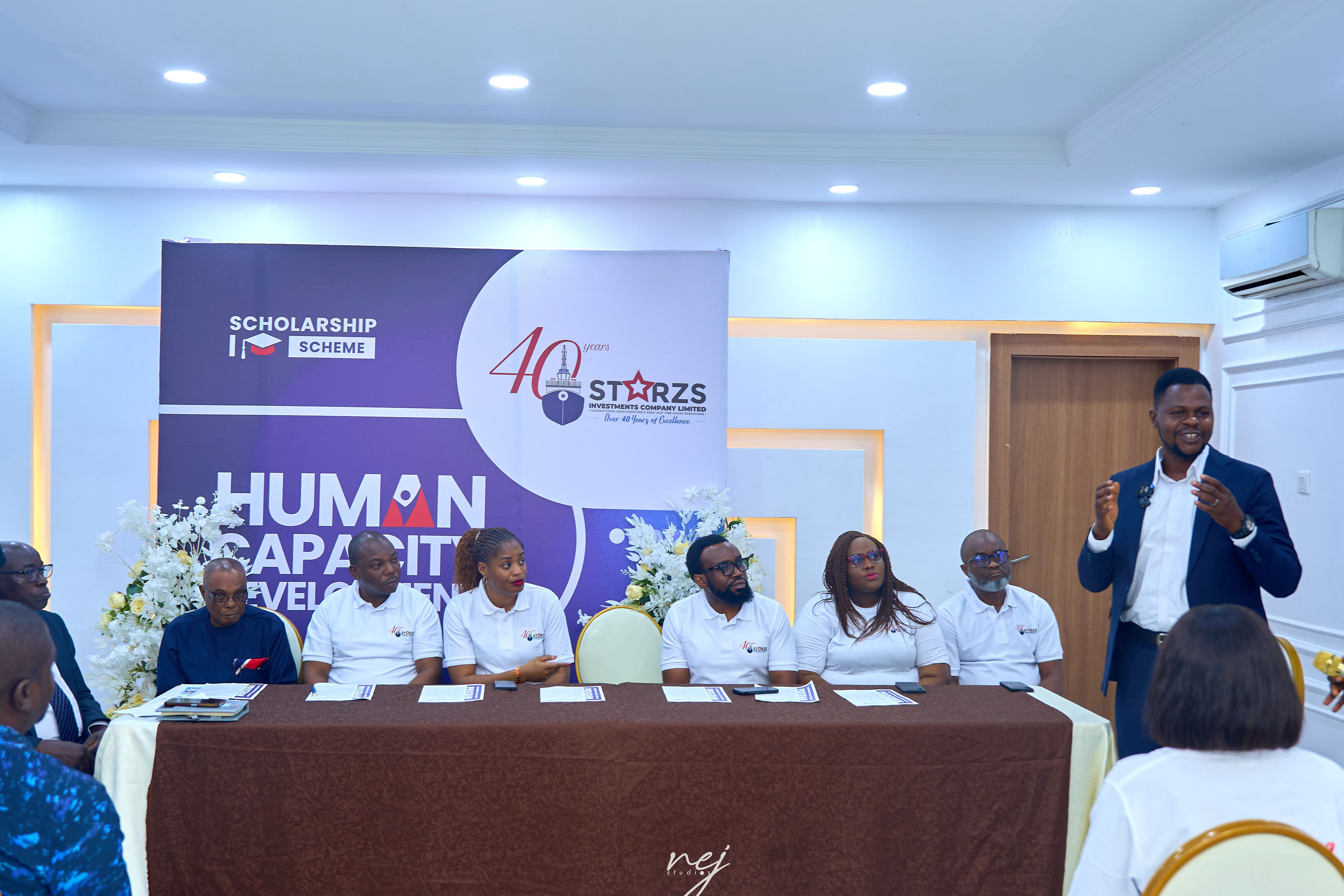
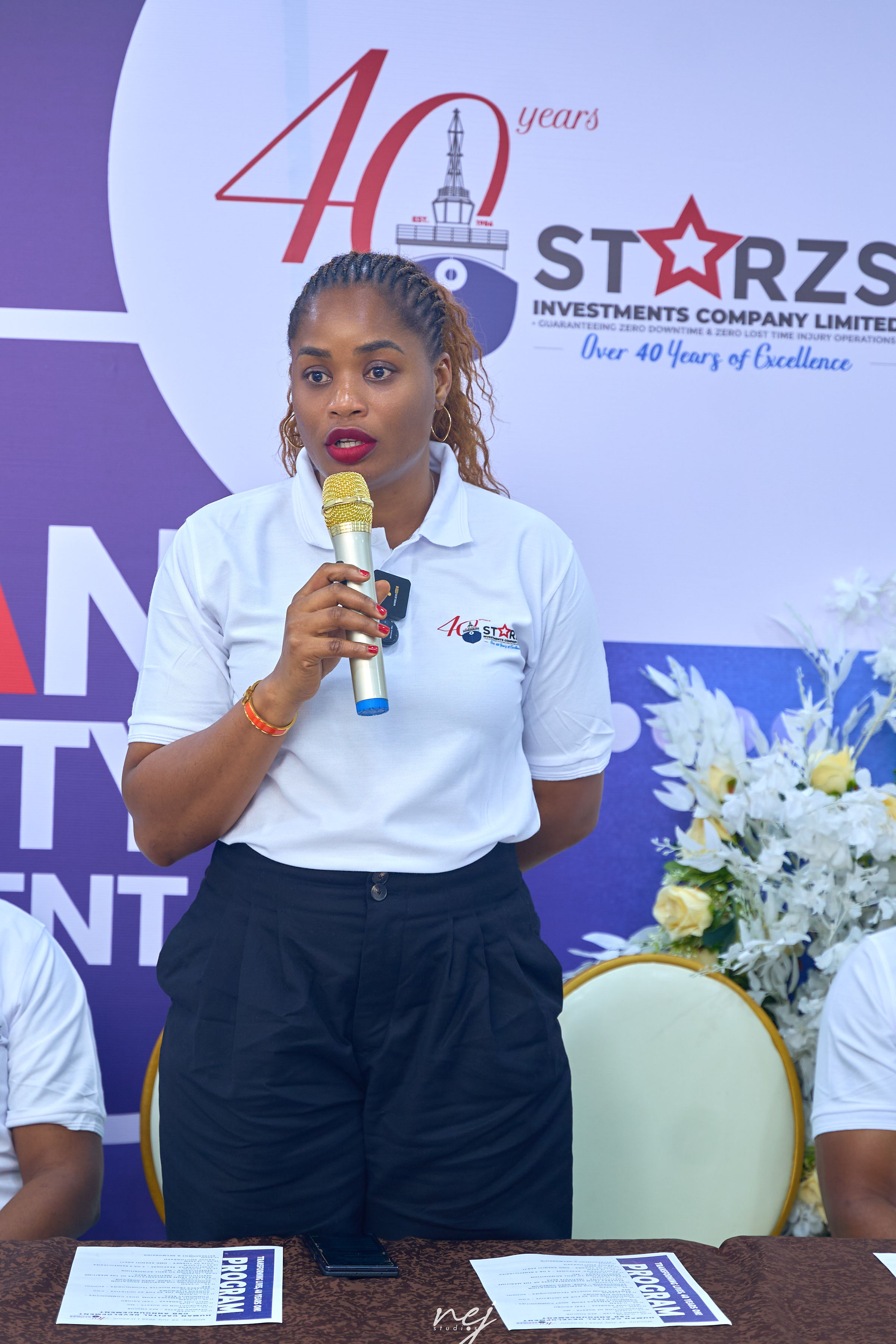
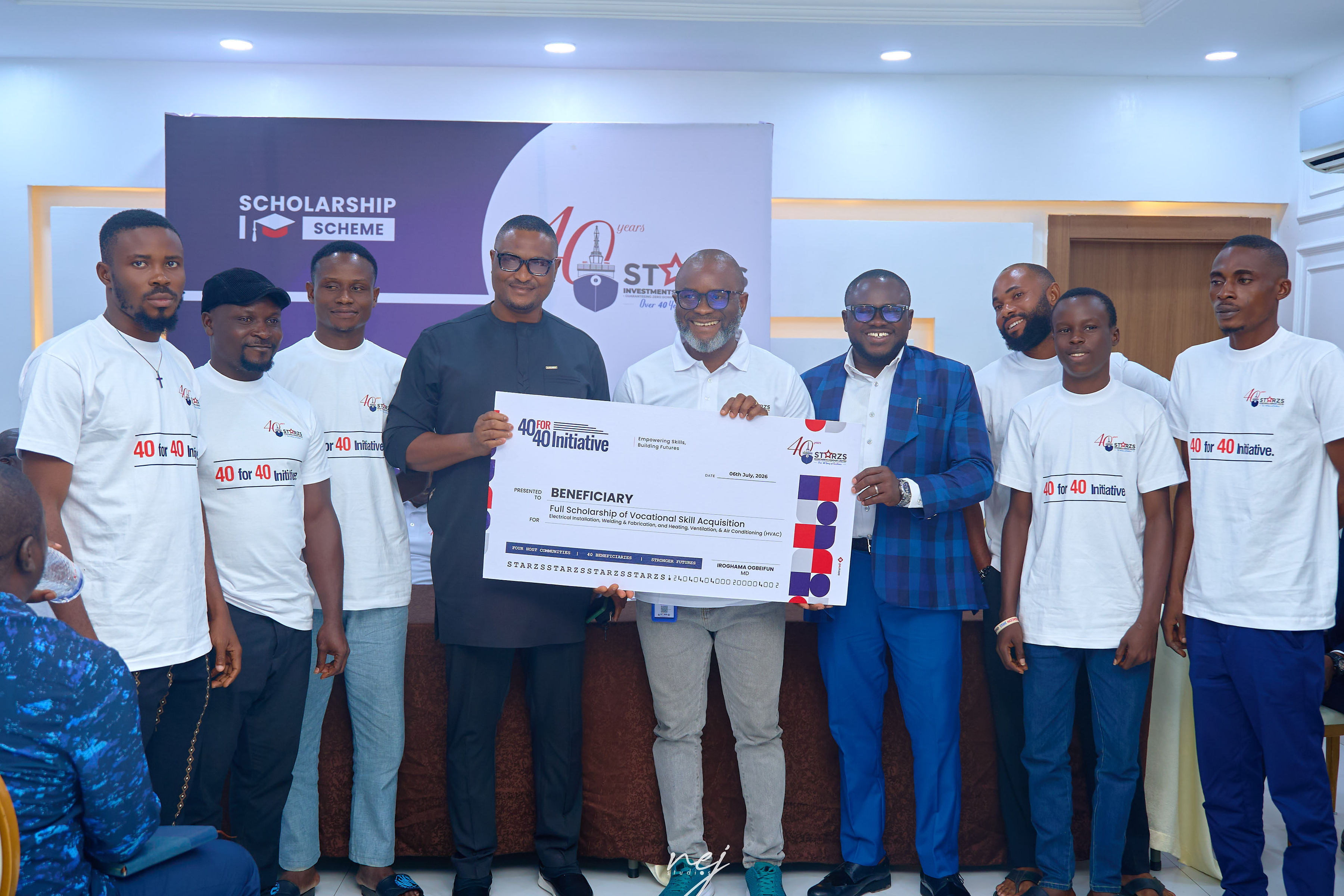
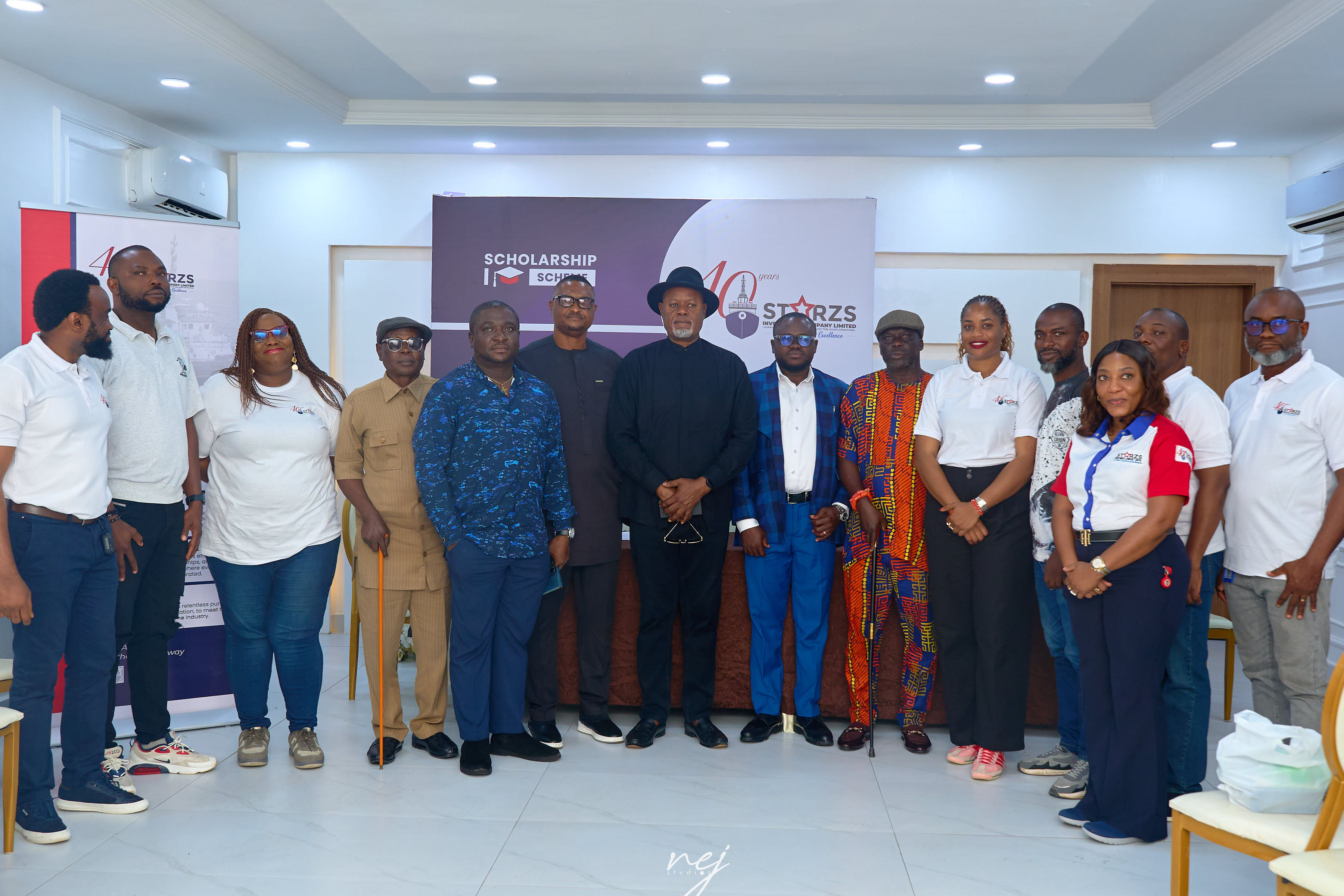
As part of activities marking its 40th anniversary, Starzs Investments Company Limited (SICL) on Wednesday commissioned a 6,000-litre solar-powered borehole and renovated male and female toilet facilities at Government Secondary School, Ogu, in Ogu-Bolo Local Government Area , Onne, Rivers State.
Commissioning the projects, the company's Managing Director, Mrs Iroghama Ogbeifun, described the intervention as the first of many collaborative initiatives with the school and urged the school management to ensure proper maintenance and sustainability.
"We dedicate this project, which will be by God's grace, the first of many, in our collaboration with this community and with this school, in honour of the Father, Son, and the Holy Spirit. Amen."
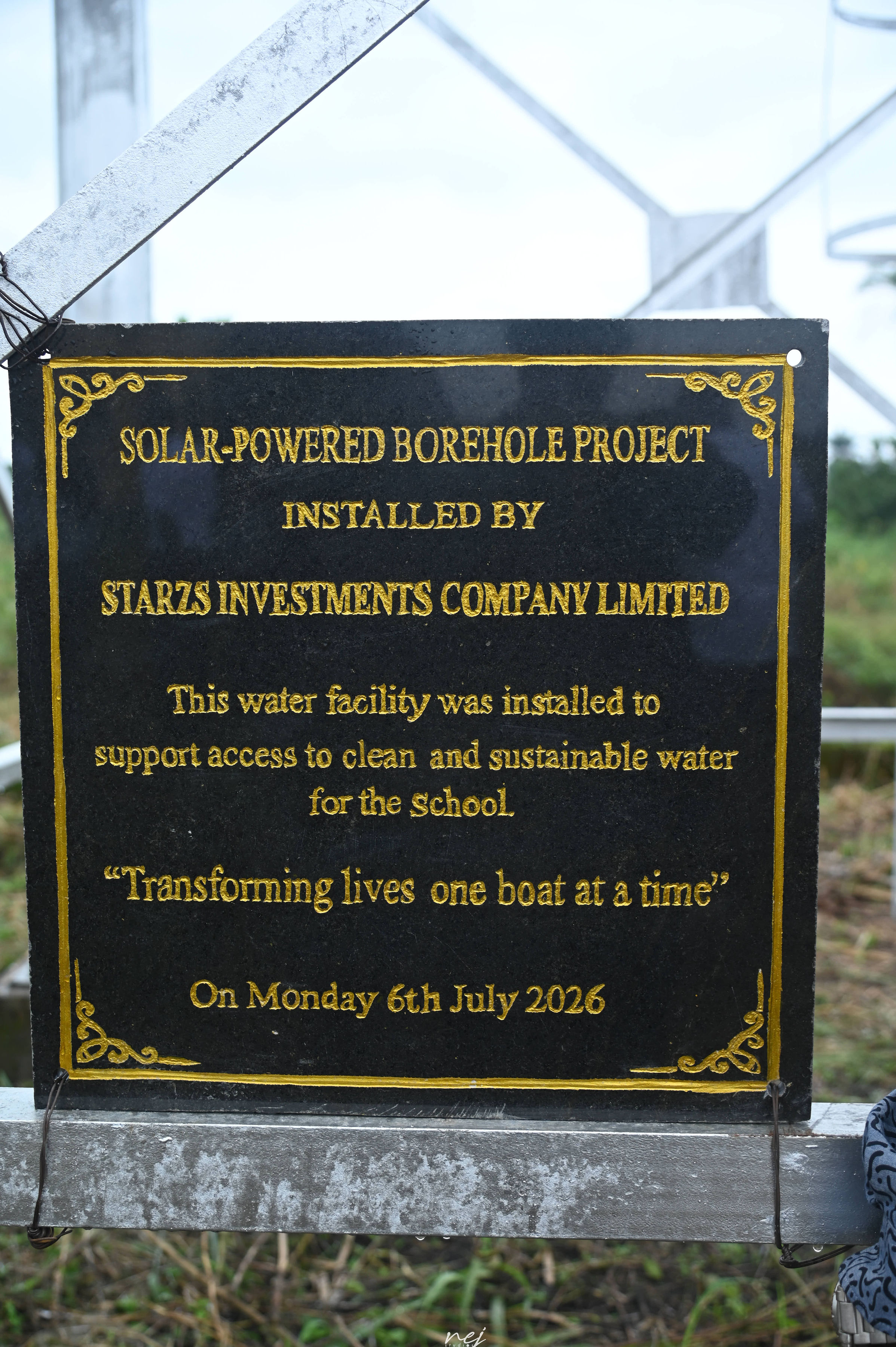
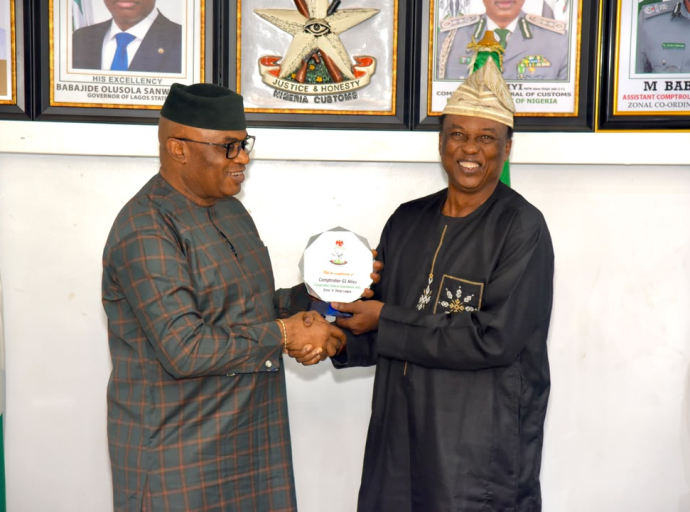
She also unveiled the commemorative plaque marking the company's 40th anniversary.
"I also use the opportunity to unveil the plaque that will memorialize us as a business concern, in celebration of our 40th anniversary.
“Starzs Investments Company Limited Solar Powered Ogu-Bolo Project, installed by Starzs Investments Company Limited. This water facility was installed to support access to clean and sustainable water for the school, transforming lives one boat at a time."
Community leaders, including Engr. Boma Dasinokuma, as well as the school's Principal and Vice Principal, pledged to ensure the facilities are properly maintained.
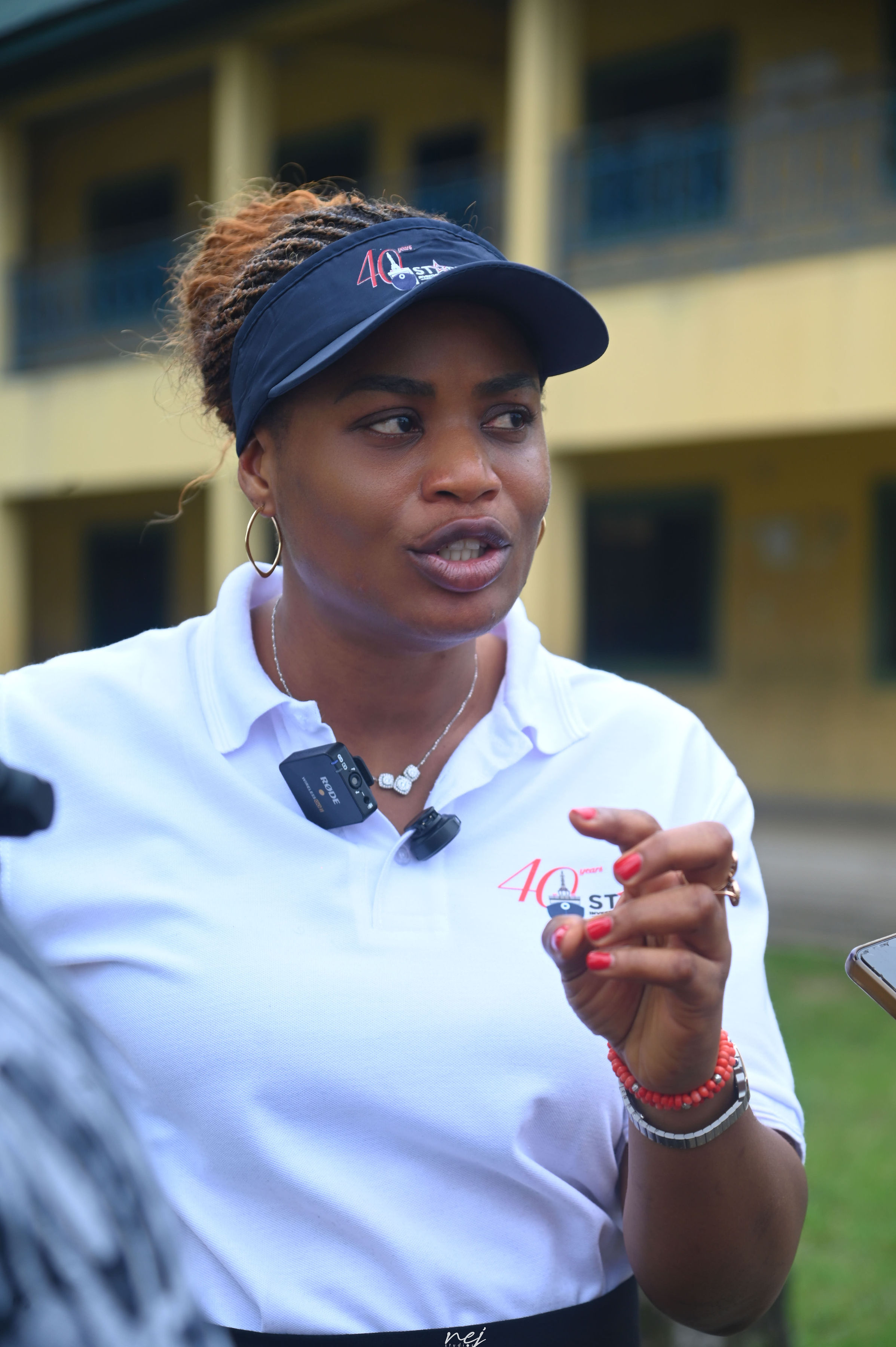
Addressing journalists, Ogbeifun said the intervention reflects Starzs' commitment to sustainable corporate social responsibility, while stressing that the provision and maintenance of public school infrastructure remain the responsibility of government.
Speaking on the state of infrastructure at the schools visited, the MD said;
"For me, it's a call for action to the government. It's as simple as that. And the more we begin to talk about it, the better.
"The government has the core responsibility to ensure that these schools are maintained. Since this school was built in 2018, it has not been maintained or painted by the government. So why did the government build it? You can't build schools with a plan that private companies will come here and do what you are meant to do."
She maintained that while companies should continue to support education through corporate social responsibility, government must not abdicate its constitutional responsibilities.
"Yes, we encourage companies to come and do what they can but the core responsibility remains with government. And government must be called to action to live up to their responsibility and not wait for private companies.
"Whatever a private company does should just be an extra. They should be coming here and saying I want to give them what they don't already have. What government has not already given to them.
"That's what I'm saying. Let me come and put playground here and not to give you water to be able to flush your toilet. That's unacceptable as far as I'm concerned."
She explained that Starzs carefully chose projects that would have long-term impact on communities.
"Starzs Investments Company Limited is celebrating 40 years of existence. We haven't only just existed, we have also thrived, by God's grace!
"And in marking such a significant milestone, we have taken it upon ourselves to visit different communities, particularly the schools, to do some CSR projects. And they have ranged from tree planting, environmental maintenance, to more importantly, infrastructure projects."
Ogbeifun said the lack of clean water and functional sanitation facilities in schools has significant health and hygiene implications for pupils and teachers alike.
"There are many implications of not having running water in a school like this, especially in this days. We have children from different levels of education. From kindergarten to primary, secondary and they don't have clean, running water. And obviously, we must talk about the health implications of that. We must talk about the sanitary implications of that. And there are also teachers who live here. So, imagine not having access to running water...
"The toilets have not been used in years because there was no water. And one of the biggest problems that they also have is power. So, even if you drill a borehole, the borehole has to move with a pump and that pump has to be powered.
"So, my team came up with the idea of installing a solar-powered borehole. This will be the second kind of project that we as Starzs have executed. The other one was built in a community very close to where our office operates. So, this will be our second solar-powered borehole project."
Expressing satisfaction with the quality of the work, she said the project had restored functional sanitation facilities to the school and would positively influence pupils' health and behaviour.
" I'm very, very satisfied with what my team has done especially given the timeline, the time frame that was given to them to execute.
"It's a fantastic job. We've gone around. We've seen the solar project. We've seen the borehole. We've tested it. We've visited the toilets that were renovated and cleaned up.
"All of them are working in two different classroom blocks. We have toilets in two different classroom blocks-for junior secondary and the senior secondary. Upstairs and downstairs. The water is running, the pressure is very good. It's very satisfactory!
"I'm very happy with what I've seen. It will help the children to develop the right mindset. We are showing them that squatting outside in public is not the standard. Even for civilization. What we have done here today is correcting that mindset.
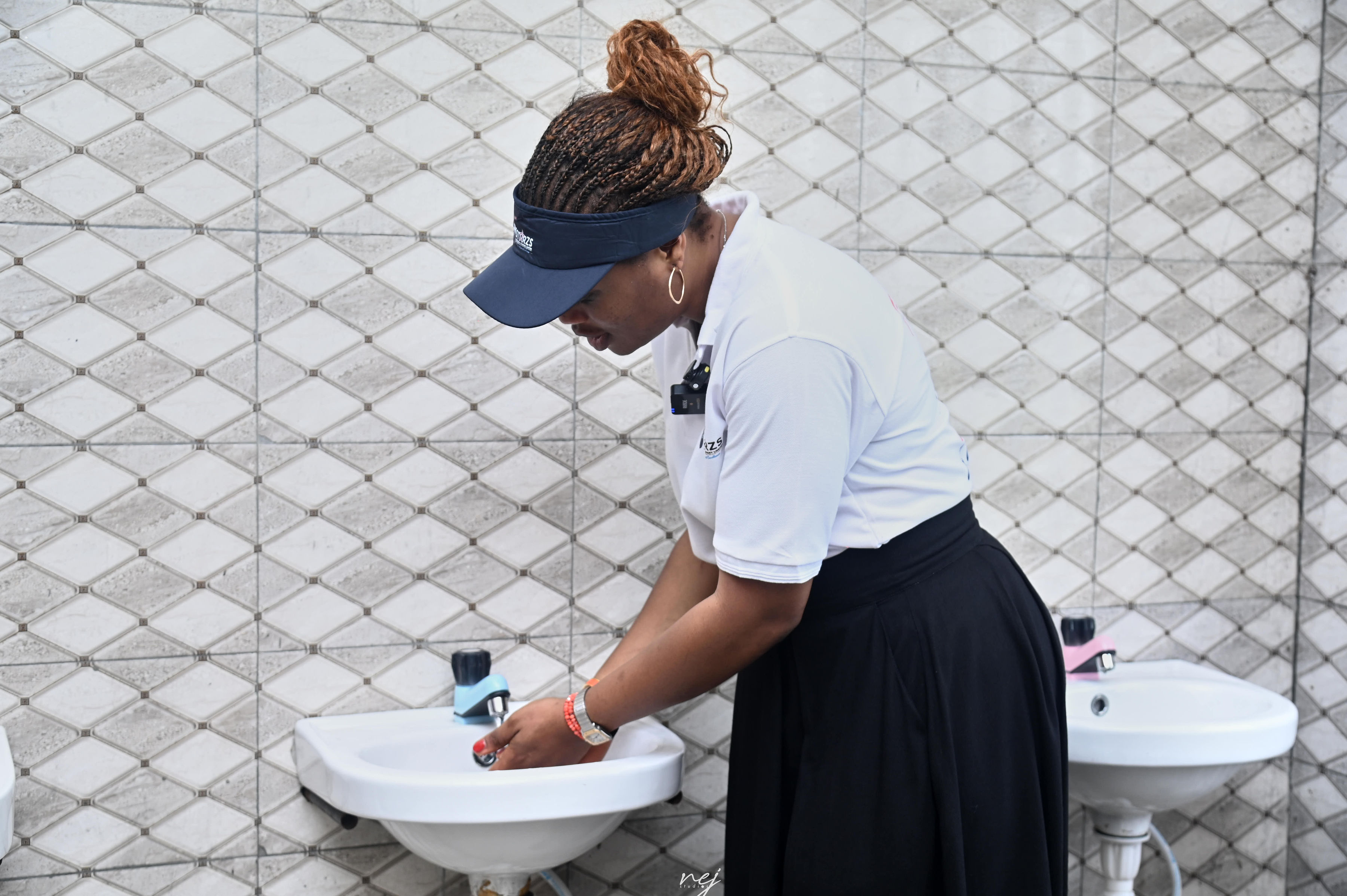
"And showing them that this is the standard sanitary practice. That you can have a toilet. You sit on it. Then when you're done, you clean it up. You flush it. And the water comes out. Then you can also wash your hands in the sink.
"So, that way, when the teachers are teaching them about washing their hands in school; they're not looking at you, lost. Like where do I wash my hands? Where is the running water to wash my hands?
"That's the basic privilege of a child. Or a young child growing up. It should not be seen as a privilege. It's a basic entitlement, as far as I'm concerned. So, for us as Starzs, we're so happy that we could support the school management in this endeavor. To give them something that has sustainability attached to it. That is very important to us.
"Because with that borehole that is powered by solar, the school will always have running water. And then, we also connected their staff quarters so they can benefit from the existence of this borehole.
"So I think my in my heart... I feel a sense of fulfillment today. I must be honest. I've gone to a lot of other projects. But this one has impacted me the most because I know the implication of having running water, especially as a child."

_thumbnail.jpeg)